
Bible number · 6 lenses
What Does 1 Mean in the Bible Read through 6 lenses
Now Jericho was tightly shut up because of the children of Israel. No one went out, and no one came in.
Now Jericho was tightly shut up because of the children of Israel. No one went out, and no one came in.
The one who draws near: the Teacher of love who joins the mind in its confusion, the presence that closes the distance before it is known
Christian Psychology lens · Luke 24:15
Even so it is not the will of your Father who is in heaven that one of these little ones should perish.
Cush became the father of Nimrod. He began to be a mighty one in the earth.
Now I mean this, that each one of you says, “I follow Paul,” “I follow Apollos,” “I follow Cephas,” and, “I follow Christ.”
Same number, 6 ways of seeing it. Tap one to jump to it.

To be called by name is to be recognized in that essence, beneath the story of who you think you are. You belong to the source of life itself. When you know this directly, fear loosens its grip, because you finally see that what you most deeply are cannot be harmed.
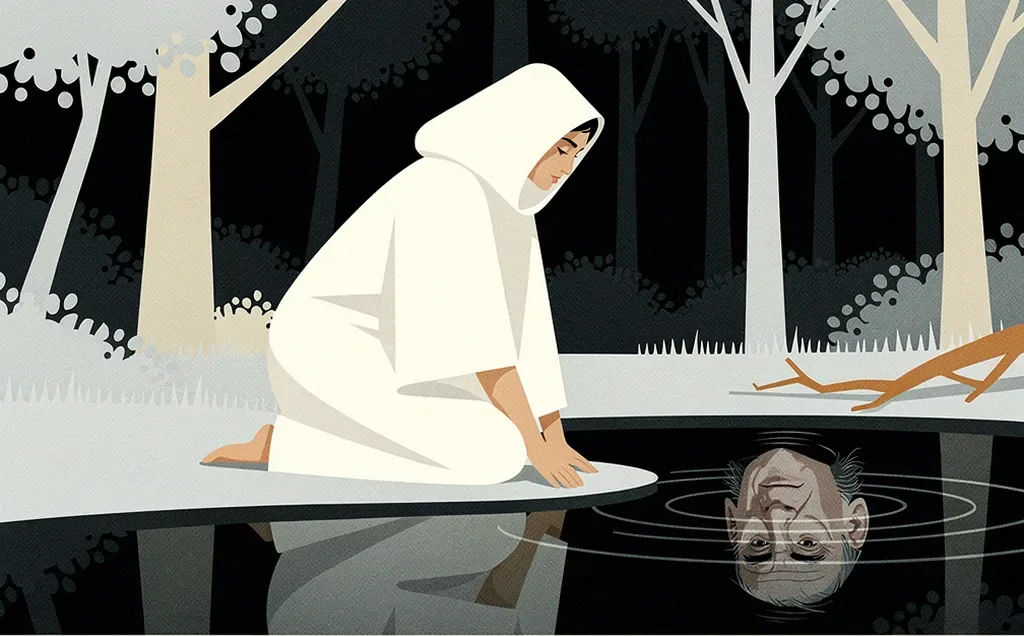
Shutting the door of the inner room pulls your energy back from public performance into a set-apart space where your deep center, the image of God, waits.

Jericho is shut tight, terrified of Israel. God tells Joshua the city is already given to him, and lays out a strange plan. March around the walls once a day for six days, with seven priests blowing ram's horns in front of the ark. On the seventh day, march around seven times, then the priests blow a long blast, the people shout, and the wall falls flat.
The story does not hide its darkness. Everything in Jericho is set apart for God, and the city is destroyed, people and animals alike, with the silver, gold, bronze and iron put into God's treasury. Joshua warns them to take nothing for themselves, or they will bring ruin on the whole camp. Only one household is spared: Rahab, the prostitute who hid Israel's spies. The two spies bring her out with her father, mother, brothers and all her family. An outsider at the bottom of society chose the right side when it counted, and she lives among Israel from then on. Joshua puts a curse on any man who rebuilds Jericho. God is with Joshua, and his name spreads through the land.

It is not the Father's will that any part of His creation be lost, because what He wills is simply what is true, and the innocence He created cannot cease to be. A mind may dream of perishing, may imagine guilt has undone it, but the dream does not reach the reality the Father holds. His will and the safety of His Son are the same thing said two ways.
So the little one cannot perish, however loudly fear insists it can. The mind is kept whole by a Will that never wavered, and salvation is only the moment it stops believing otherwise. What God wills stands, and every innocence He made stands with it, untouched by the fears that seemed to threaten it.
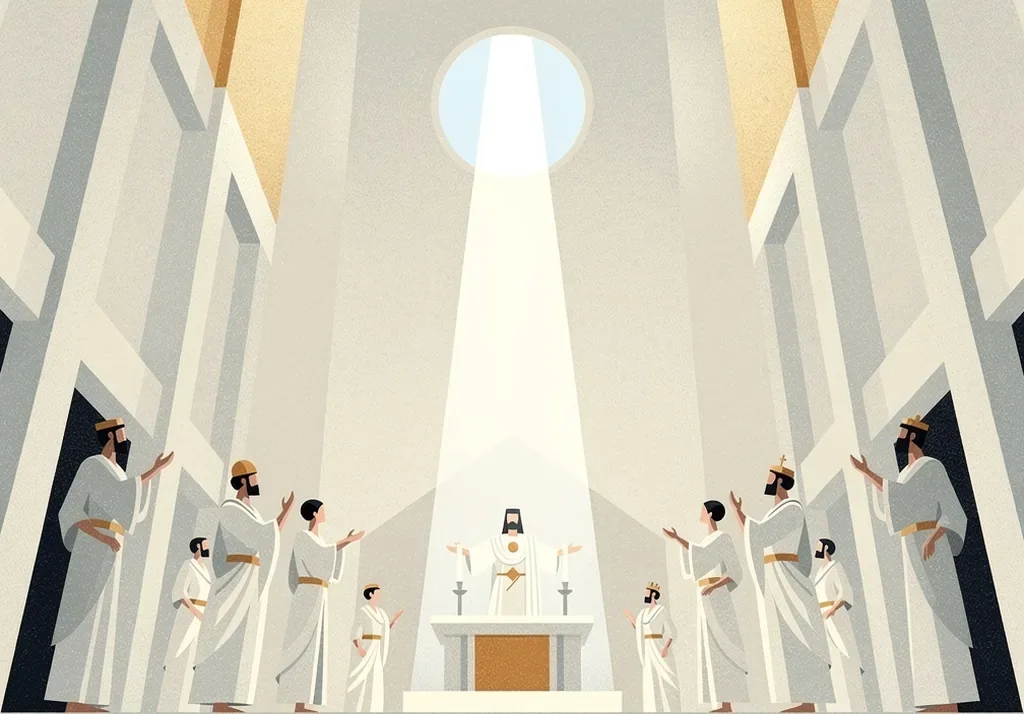
When the law of the members wins, awareness is taken captive, held down by the very body it lives in. The struggle is not with any outside enemy but between the 2 natures housed together in one person.
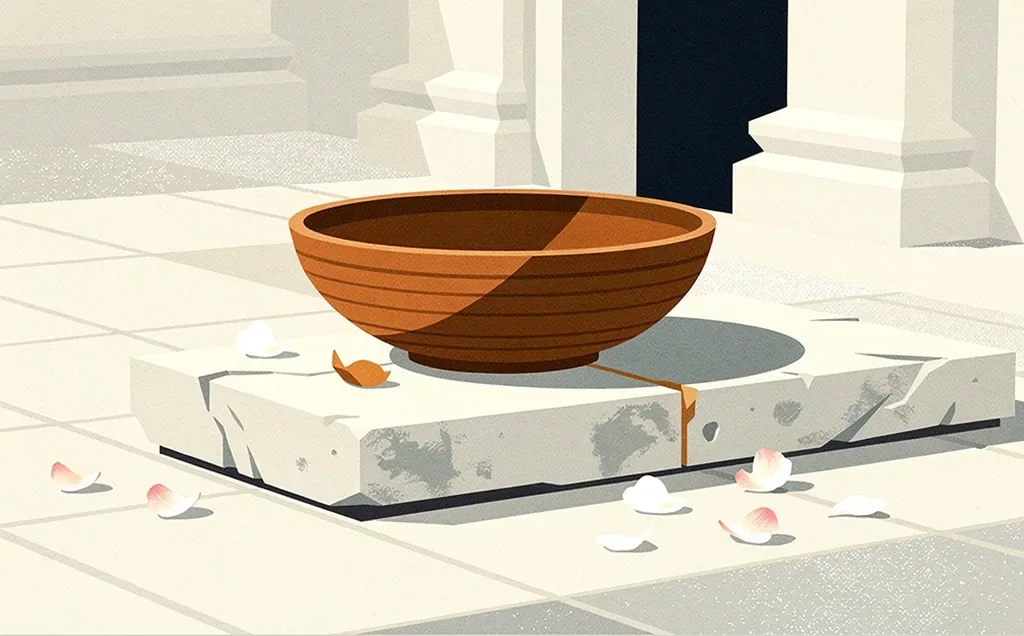
Udayabbaya: Arising and passing away Coming forth and being cut down are two halves of one breath. The stem rises, holds a moment, and drops, and if you slow the eye you catch that same rise and fall in every mood and passing thought of a single day. Nothing that appears is spared the vanishing that answers it, and the flower's fall is only the whole field's law made visible for a moment.
Maraṇasati: Mindfulness of death Keep the cut flower in view on purpose and it turns from a grief into a teacher. A gardener knows every stem in the vase is already cut and holds it lightly for the day it has; look at your own span the same way and the threat settles into a plain fact you can stand on. Held like this, the short span of the day is exactly what makes the morning taste sweeter.
Anattā: Not-self A shadow looks like a thing until you reach for it and your hand closes on nothing. The self you take yourself to be behaves the same way: it seems to have weight and a center, yet no firm core hides in the fleeing shape, and nothing you find there stays yours. It continues not for a plain reason: an outline thrown on the ground has no core to hold it, and nothing in it can stay.
Saṃvega: Urgency Seeing how fast the flower goes down can land as a clean jolt, the kind that makes you sit up straight. That jolt is meant to move the feet, not freeze them: if the shape flees and will not stay, then the kindness, the practice, the amends you keep putting off are all for today. Let the short bloom set the pace and you stop saving your one life for later.
· · ·
Coming forth and being cut down are two halves of one breath (udayabbaya). The same rise and fall runs through every mood of a day.
Keep the cut flower in view and it becomes a teacher: your own death held steadily in mind (maraṇasati). A gardener holds each stem in the vase lightly, knowing it is already cut.
Reach for a shadow and your hand closes on nothing. The self you take yourself to be has no firm core (anattā): "he fleeth also as a shadow, and continueth not."
Seeing how fast the flower goes down lands as a jolt of urgency (saṃvega). It moves the feet: the amends you put off are for today.
One line per lens.
In Lensightful, names, numbers and symbols light up in the text. Tap one to see what it means in each tradition you choose.
Get Lensightful on the App Store