
Bible number · 6 lenses
What Does 3 Mean in the Bible Read through 6 lenses
He lifted up his eyes and looked, and saw that three men stood near him. When he saw them, he ran to meet them from the tent door, and bowed himself to the earth,
He lifted up his eyes and looked, and saw that three men stood near him. When he saw them, he ran to meet them from the tent door, and bowed himself to the earth,
The number 3: the full set of remaining shocks, the coming stages of awakening that will disturb the earthbound mind.
Esoteric lens · Revelation 8:13
But now faith, hope, and love remain, these three. The greatest of these is love.
The sons of Judah: Er, Onan, and Shelah; which three were born to him of Shua’s daughter the Canaanitess. Er, Judah’s firstborn, was wicked in Yahweh’s sight; and he killed him.
For there are three who testify:
Same number, 6 ways of seeing it. Tap one to jump to it.

Spiritual authority is forged through resisting the fundamental temptations of appetite, spectacle, and power.
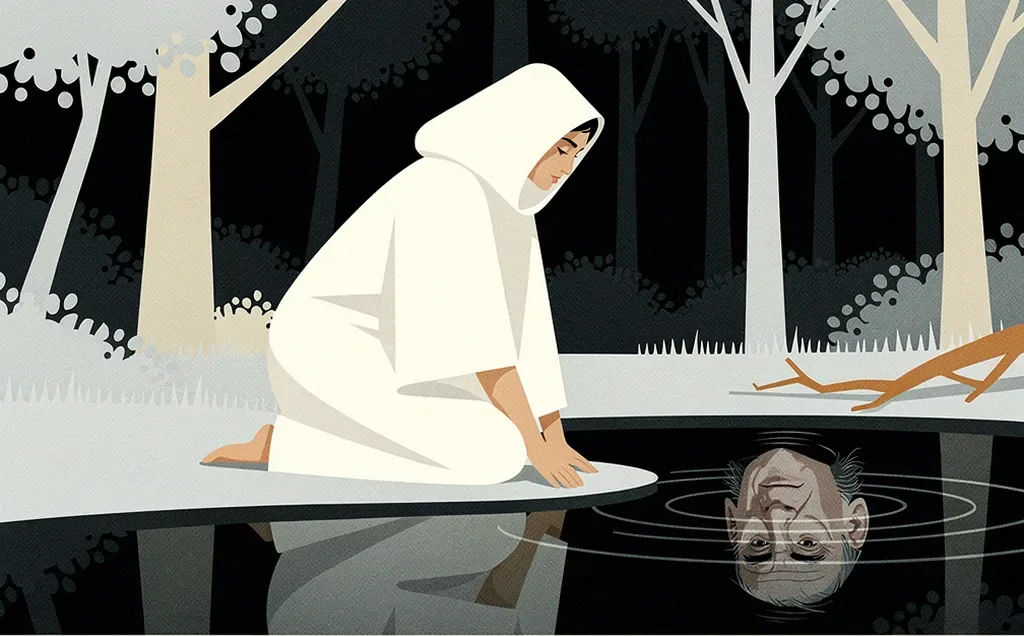
Moses is dead, and the camp still sits in the desert on the wrong side of the Jordan, looking at ground none of them has walked. Joshua has spent his whole life as the great man's helper. Then the voice: my servant Moses is dead, so get up and cross. The old father has to die before the son can become himself. While a towering authority stands over you, you borrow a life instead of living one. And the voice never asks him to be a second Moses; it sends him where Moses was not allowed to go.
Every place his foot presses down, the voice says, is already given, and then it names the edges: desert, mountains, the great river, the sea. The land is his and still he has to walk it. A person truly owns only the part of himself he has set foot in; the kingdom may be inside you, but it is wide country, and most of it is never entered. As I was with Moses, I am with you, and I will not drop you. That steady voice was never Moses's property. It rises from the center of Joshua's own depths, the part of him bigger than the everyday I that worries and plans.

To lift the eyes is to stop looking at the ground of one's own worry and see who is actually standing near. The moment this mind truly looks, it runs, because recognition of love is not slow and reluctant; it is glad. Fear hesitates and calculates, but a mind that sees its true visitor does not weigh whether to approach.
The bowing is not fear before a power that threatens. It is the natural response of a mind that remembers what it is meeting, and greets holiness in another rather than suspicion. What arrives as strangers is welcomed as friends the instant the eyes are raised.
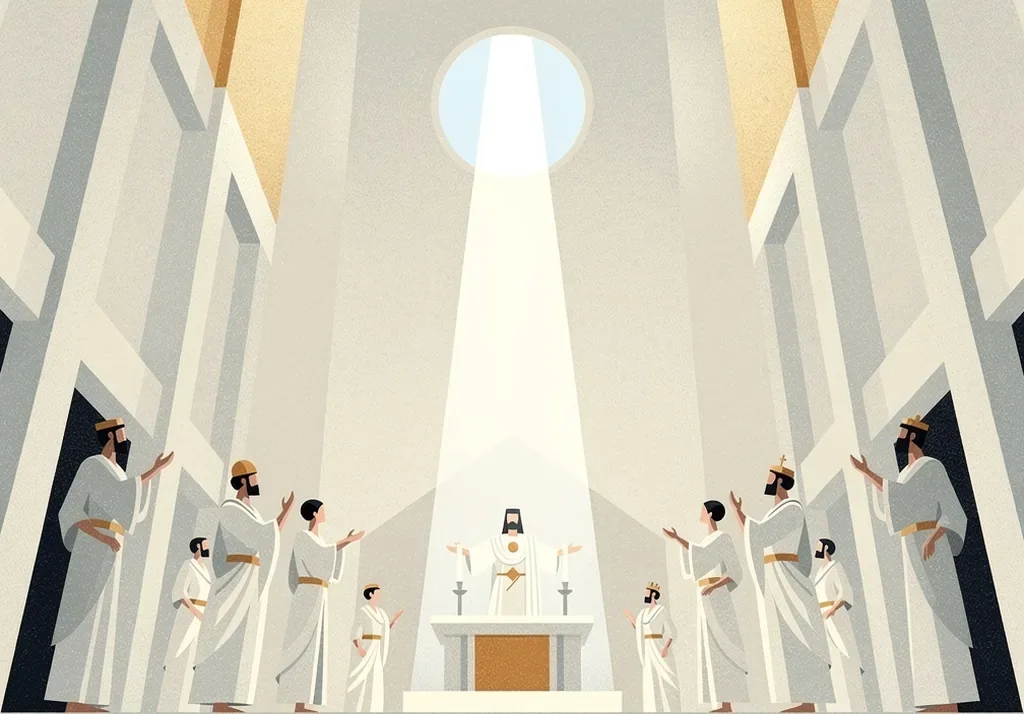
3 powers hold a person together while the body lives. Faith is the trust that keeps a seeker moving before proof arrives, hope is the forward reach that will not settle in the present, and charity, the love that flows outward, is the current that actually joins one life to another. The number 3 is the completed pattern of spirit standing over flesh, the trinity within a single body.
The reach of hope and the trust of faith belong to the person alone, turned toward what is not yet here. Love is the only one of the 3 that leaves the self and reaches the other, and that is why it stands above the rest.
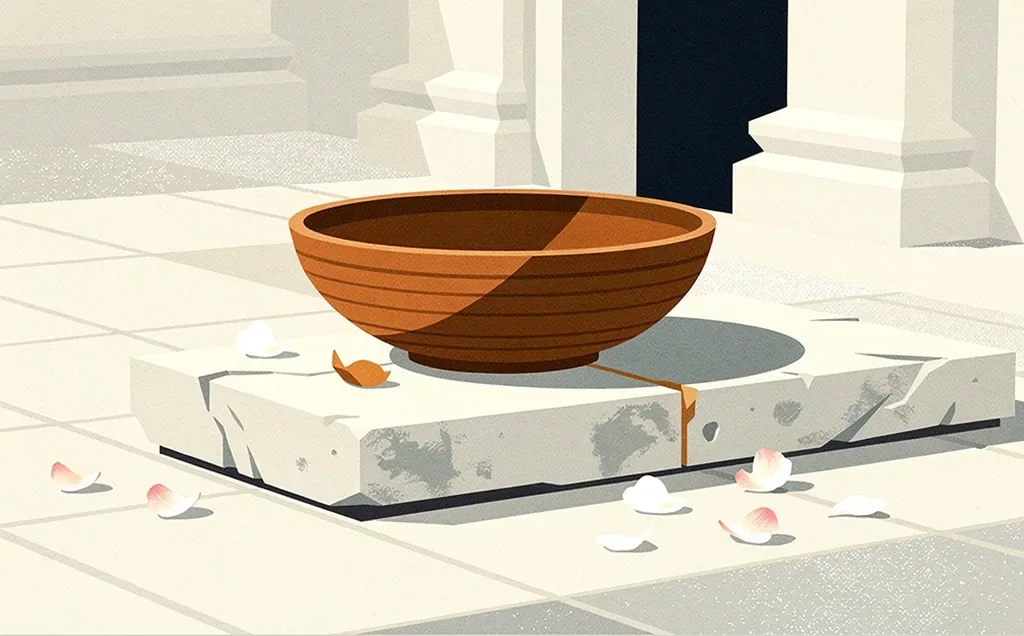
Citta: Heart-mind Citta is the heart taken as the seat of thought and feeling. The reckoning falls there first, before a single hand is raised, because conduct out in the earth overflows from what has already settled inside. A stream runs muddy the whole way down when the spring itself is muddy.
Anusaya: Underlying tendencies Anusaya are dispositions lying dormant below awareness. No one sustains an evil thought around the clock, so the imaginations that keep returning have been waiting underneath between appearances, which is how a heart is evil continually rather than merely often. Coals banked under ash look dead until a draft reaches them.
Papañca: Proliferation Papañca is the mind's spinning of one impression into a tangle of thought. A single appetite never stays single; it branches into scenes, rehearsals, and plans, which is how the thoughts of a heart become every imagination. Crowded that thickly on the inside, a person is as full of it as the earth is.
Cetanā: Intention Cetanā is the volition that makes an act kamma. Imagination in the heart is the deed already in seed form, which is why the state of the heart and the wickedness of the earth are told in one breath: the second is the first grown up. Noah's neighbors stand under judgment for what they meant, and the meaning was in place long before any water rose.
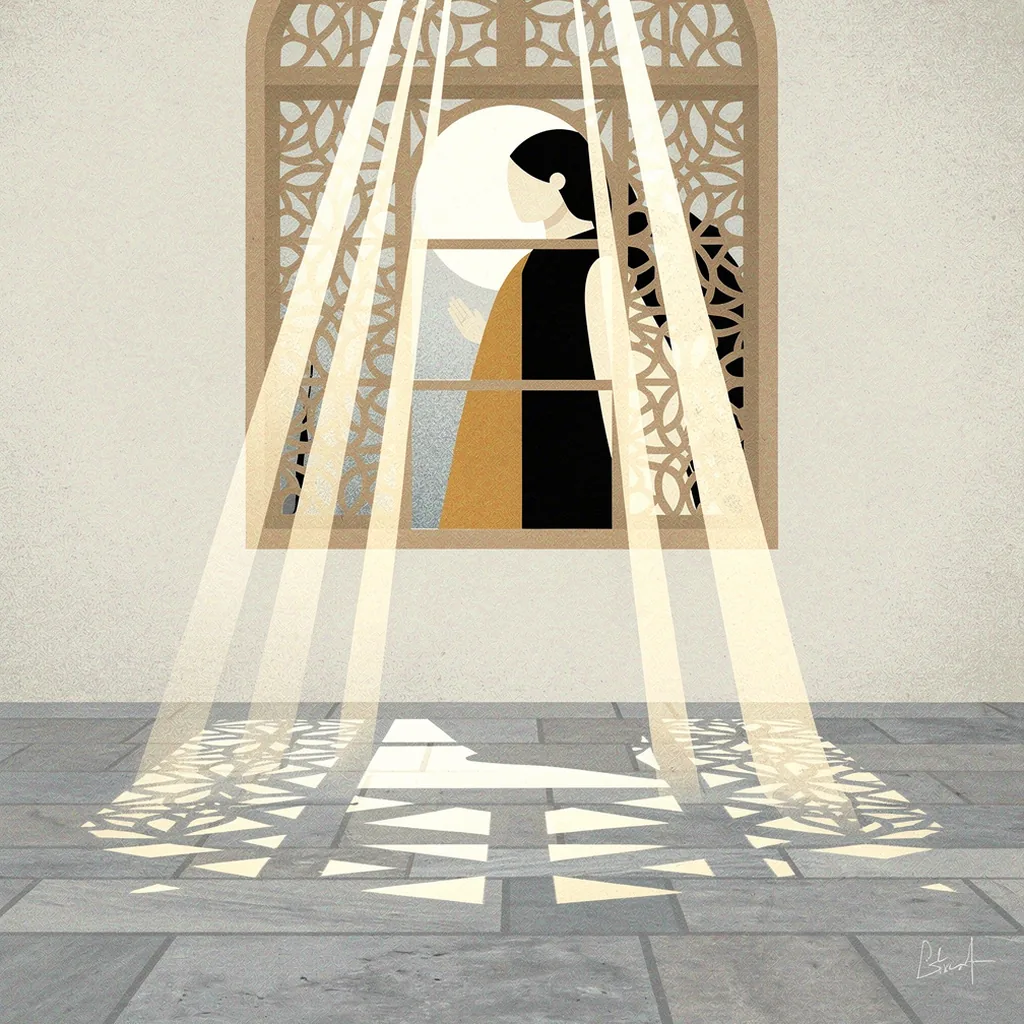
A town in the hill country, and the open space just inside the gate where arguments get settled in front of whoever is passing. Moses tells them to seat judges and officers there, at every gate, tribe by tribe. A gate is where the outside gets in, so every opening you have is one: eyes, ears, hands, the mouth. Nothing should reach the heart unweighed. And tribe by tribe, because no two people are governed by the same name of God, and the roads to God are as many as there are breaths in creation, so a ruling that is right for one is wrong for the next.
They are to judge with true judgment, and true judgment is simply giving each thing the right that belongs to it. Everything that exists is a place where one of God's names shows itself, so the case standing in front of the judge already carries its own right, written into it. The judge does not invent that right. He finds it and hands it over. Mercy is one of those names too, so when mercy is what the case is owed, hardness is not strictness, it is theft.
One line per lens.
In Lensightful, names, numbers and symbols light up in the text. Tap one to see what it means in each tradition you choose.
Get Lensightful on the App Store