
Bible symbol · 3 lenses
What Does Adam Mean in the Bible Read through 3 lenses
He created them male and female, and blessed them. On the day they were created, he named them Adam.
He created them male and female, and blessed them. On the day they were created, he named them Adam.
Adam: the red clay of the earth-formed self, the ground-being shaped from the same dust it walks upon
Esoteric lens · Genesis 2:21
This is the book of the generations of Adam. In the day that God created man, he made him in God’s likeness.
Adam, Seth, Enosh,
For as in Adam all die, so also in Christ all will be made alive.
Same symbol, 3 ways of seeing it. Tap one to jump to it.
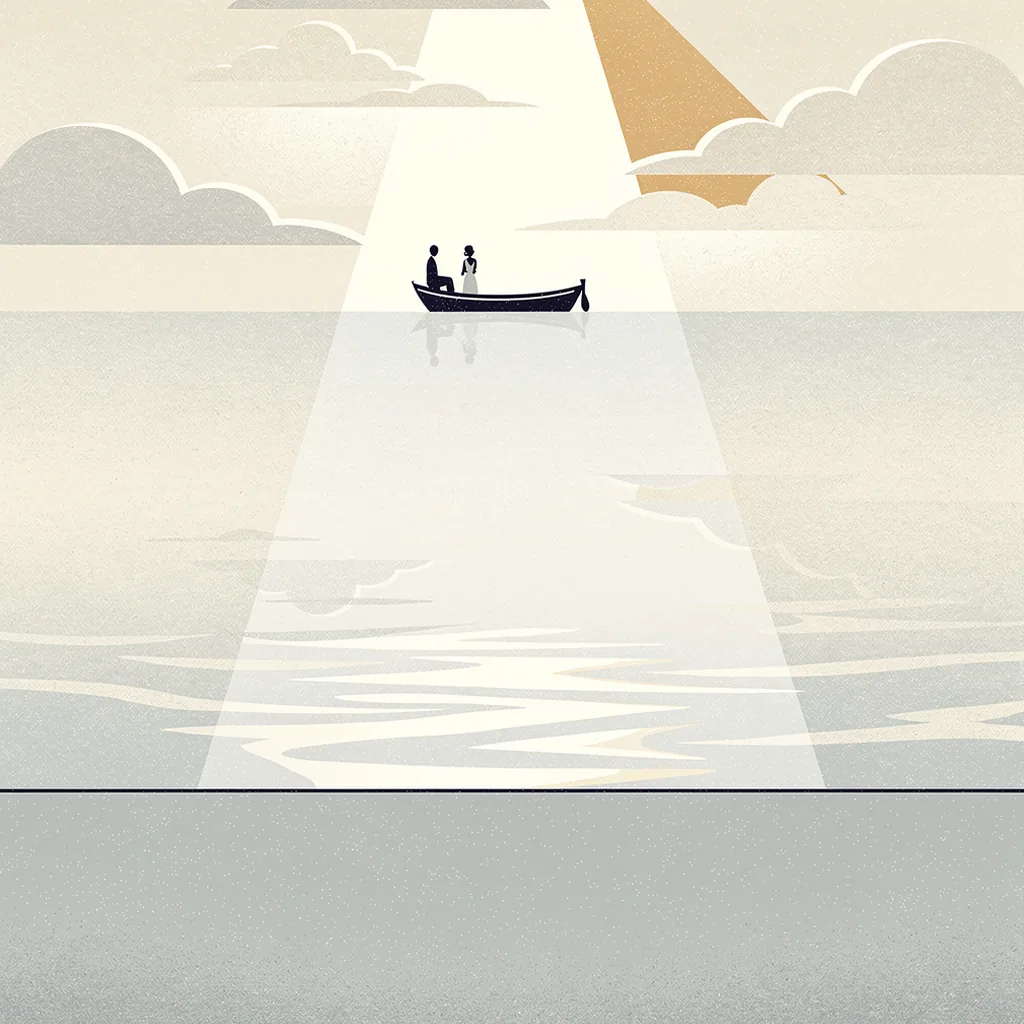
The call comes not to expose the mind but to reach it, and it is asked as a question because love waits on willingness and never forces. A mind convinced of its guilt has hidden itself, and love speaks into that hiding, not to hunt it down but to invite it back into sight. The question is not for love's information, since nothing is truly hidden from it; it is offered so the mind may hear that it is still sought, still wanted, still addressed by name after all its fleeing.
This is the whole shape of the correction. The mind believes it has separated itself and gone somewhere love cannot follow, and love answers by calling gently, showing that the mind was never lost and has only to answer to be found.
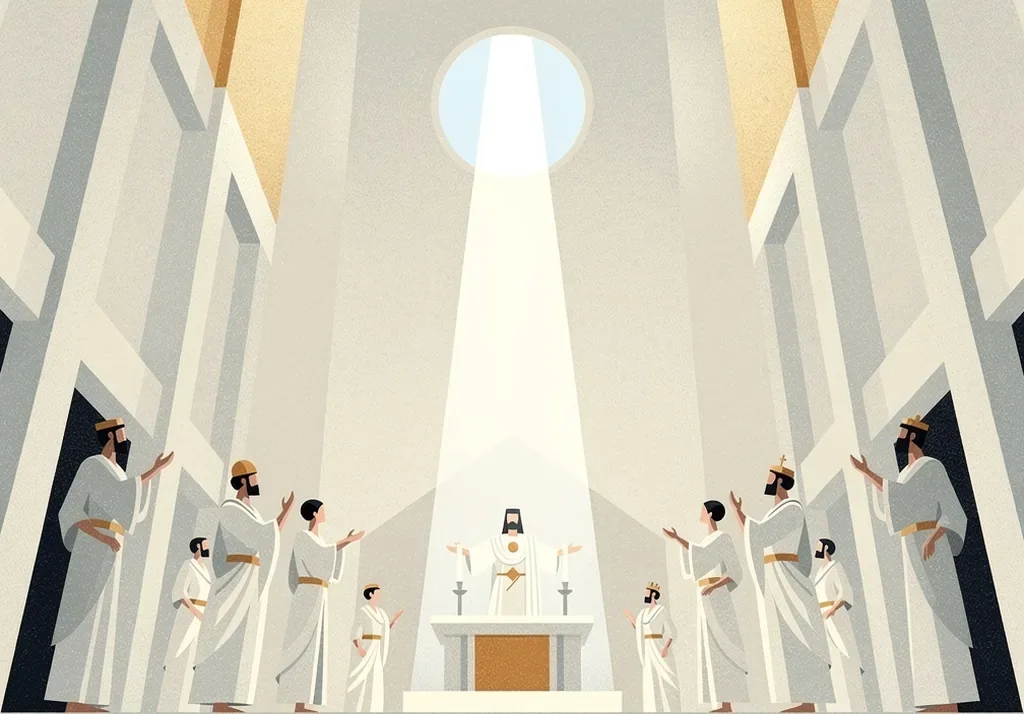
Male and female are the 2 poles alive in every single person, the active and receptive forces inside one nervous system, the outgoing current and the inward current that together run the body. Adam is red earth, the ground of matter the soul takes on when it enters flesh, and both currents carry the one name because they are one being wearing 2 motions.
The blessing is the charge of life that keeps the pair working as one. What is drawn as the first pair on the first page is the split within a single body, spirit descending into clay and moving through it by these 2 forces at once.

God created Adam in His form: the likeness is where a person starts A saying of the Prophet that Sufis return to constantly. Most people assume they have to become something before they count for anything. The mark of the maker was in them from the first day, before any of that, and no one in the human line was skipped.
Fiṭra: The original nature a person is born with Every child is born on it, the Prophet said. Habits, damage, and borrowed ideas settle on top, while the original setting underneath stays whole. Anyone who feels ruined by their own history is being told the good beginning is covered over, not gone.
Takhalluq: Taking on God's qualities as your own character Al-Ghazali gave this name to the work of a lifetime. Mercy, patience, generosity, and forgiveness are the qualities at stake, and a person can practice every one of them. Each time someone forgives when they could hit back, the resemblance stops being a fact about them and becomes something they do.
Whoever knows himself knows his Lord: self knowledge and knowledge of God open together A line the Sufis repeat constantly. Someone wanting to know what the maker is like usually looks outward, and this points them back at themselves. Honest attention to your own mercy, your own longing, your own ability to forgive says something about where those came from.
Khalīfa: Standing in for God on earth The Quran's name for Adam and for the line that follows him. The likeness carries a post with it, since a person represents the maker in one small patch of the world. Ordinary decisions about land, animals, work, and other people are where that post is honored or dropped.
Amāna: The trust that humans agreed to carry The Quran tells of the sky and the mountains declining a weight the human being accepted. Carrying a likeness means carrying the freedom to ruin things and the duty to answer for them. Anyone who feels the weight of being responsible is feeling what came with being human in the first place.
One line per lens.
earthy; red
red; ruddy; r eddish; firm
In Lensightful, names, numbers and symbols light up in the text. Tap one to see what it means in each tradition you choose.
Get Lensightful on the App Store