My mercy outruns my anger: mercy gets there first The Prophet reported God saying this, and Sufis quote it more than almost any other line. Someone who knows the harm they caused braces for anger first, with mercy a long shot at best. The order runs the other way, and the one expecting a bill finds they were being leaned toward all along.
Qabḍ and basṭ: Being closed in and being opened up Sufis name both the shut season of the heart and the open one. Anyone who has lived through a stretch where nothing lands and nothing helps knows the shut state from inside. Treated as half of a rhythm rather than a final ruling, the closing leaves room for warmth that seemed gone to come back.
Rajāʾ: Hope Al-Ghazali describes hope as the heart leaning toward good it expects from God. Someone with a bad record can settle into a certainty that nothing good is coming, a mood that passes for honesty. Hope holds both at once, the wrong owned in full and good still expected, so a person stops treating their own case as closed.
Tawba: Turning back The word means turning around and going back. Regret usually arrives on its own; the hard part is believing you are still wanted afterward. In this tradition the turn is the whole work: no penance first, no waiting period, and the way back is shorter than people expect.
- **Sitr: Covering over**
- Forgiveness here works by covering: the fault goes out of sight and stays there. Guilt makes a wrong feel public, as if it were written on your face for anyone to read. Once it is covered, a person can be among others again without feeling that their worst moment shows first.
The one who turns from a wrong is like someone who never did it: nothing is left over A saying of the Prophet that Sufis repeat when someone's hope runs thin. Most people expect forgiveness to come with a permanent asterisk, a mark left on the file after the matter is settled. Here the standing afterward is the same as if the wrong had never happened, so a person stops living as a reduced version of themselves.

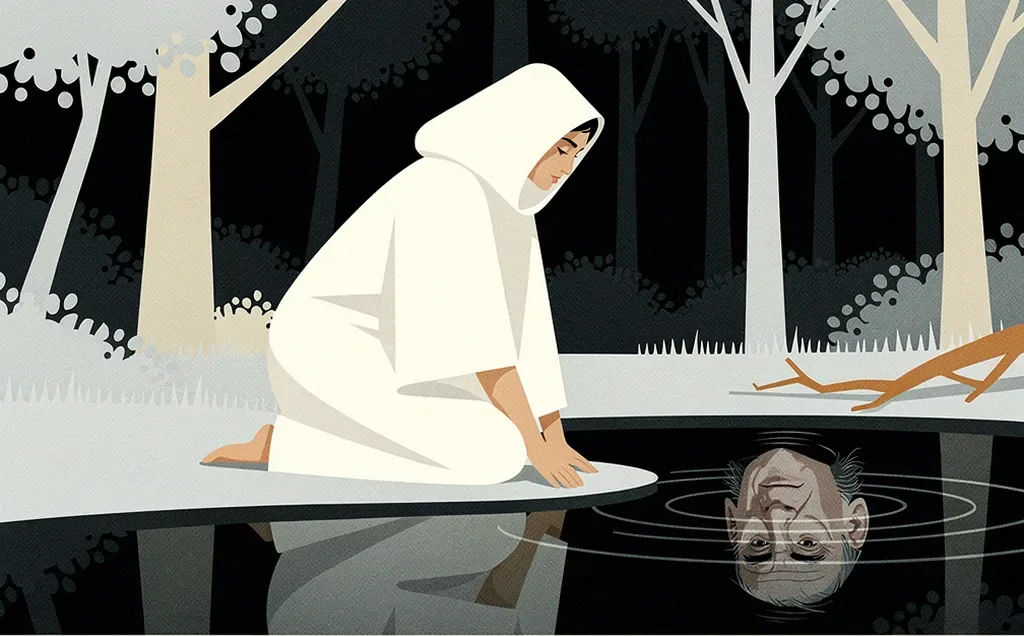 Psychoanalysis
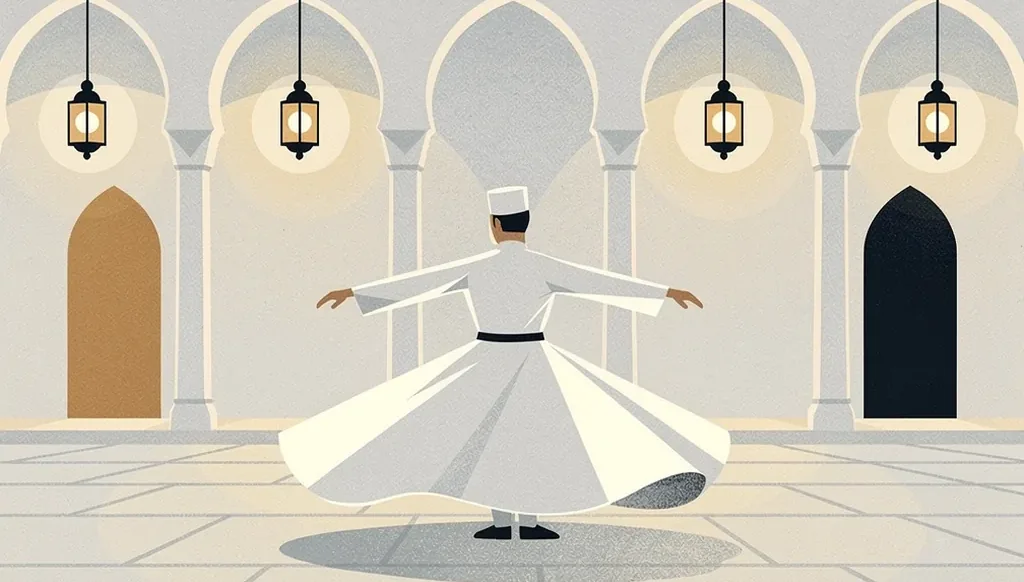 Sufism