
Bible symbol · 6 lenses
What Does Heart Mean in the Bible Read through 6 lenses
But whoever has the world’s goods and sees his brother in need, then closes his heart of compassion against him, how does God’s love remain in him?
But whoever has the world’s goods and sees his brother in need, then closes his heart of compassion against him, how does God’s love remain in him?
Heart: the inner ground the mind believes it must cleanse by its own effort, the place where guilt is either held as real or handed to love to overlook
Christian Psychology lens · Proverbs 20:9
He answered, “You shall love the Lord your God with all your heart, with all your soul, with all your strength, and with all your mind; and your neighbor as yourself.”
and say, “How I have hated instruction, and my heart despised reproof;
Blessed are the pure in heart, for they shall see God.
Same symbol, 6 ways of seeing it. Tap one to jump to it.

An old man writes to small house groups, watched from outside, sour inside. He tells them nothing new: from the start you were to love one another, old because it was never an idea to learn, only what you already are under the noise in your head. Then the first two brothers, one killing the other because the other's life showed him up. The self made of comparison cannot stand another person simply being; it needs someone lower, or an enemy, or it feels like nothing.
Do not be shocked that the world hates you: that is the same self, grown huge and shared. You have crossed from death into life, and you can tell because you love. Death here is being lost in thought about yourself; life is being awake now. Whoever hates his brother has already killed him: once a person becomes a label in your mind, only your thought of them is left. So lay down your life: let the small defended me die while you still breathe. Love is not a word you say. If you have food, see hunger, and your chest closes, nothing is awake yet.
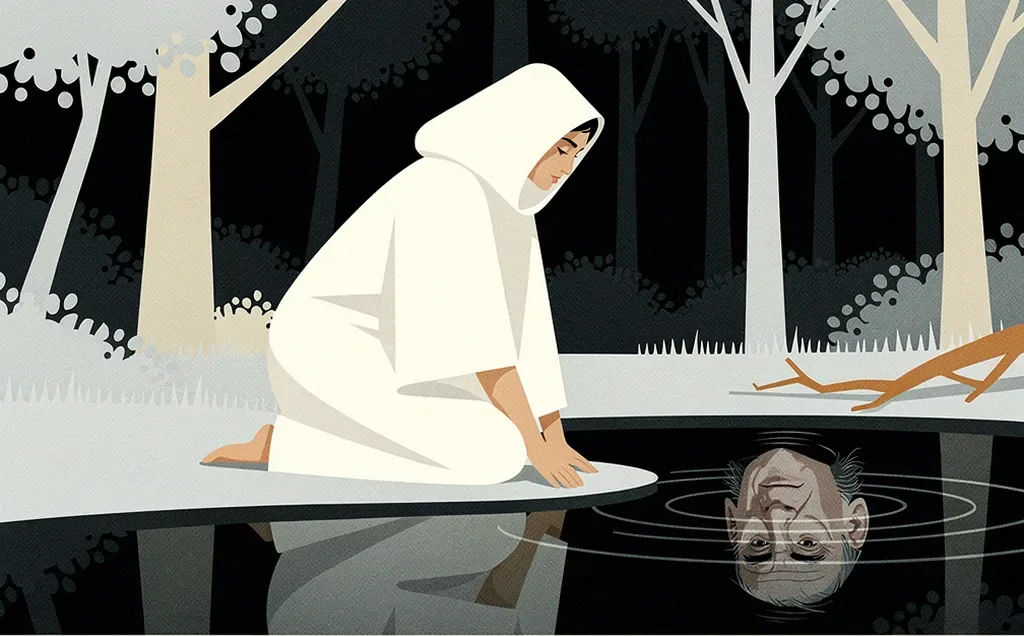
Then comes the hinge that most people rush past. You can only meet your neighbor as yourself once you have made peace with yourself, because whatever you cannot bear in you is exactly what you will punish in him.

Late regret sees at last what was refused all along, that the gentle correction offered by love was pushed away as if it were the enemy. The ego teaches a mind to despise exactly what would heal it, to hear guidance as insult and to defend the very fear that hurts. What was hated was never a threat; it was the only help there was.
The recognition itself is the turning. A mind that sees it once resisted love has, in that seeing, already begun to accept it.
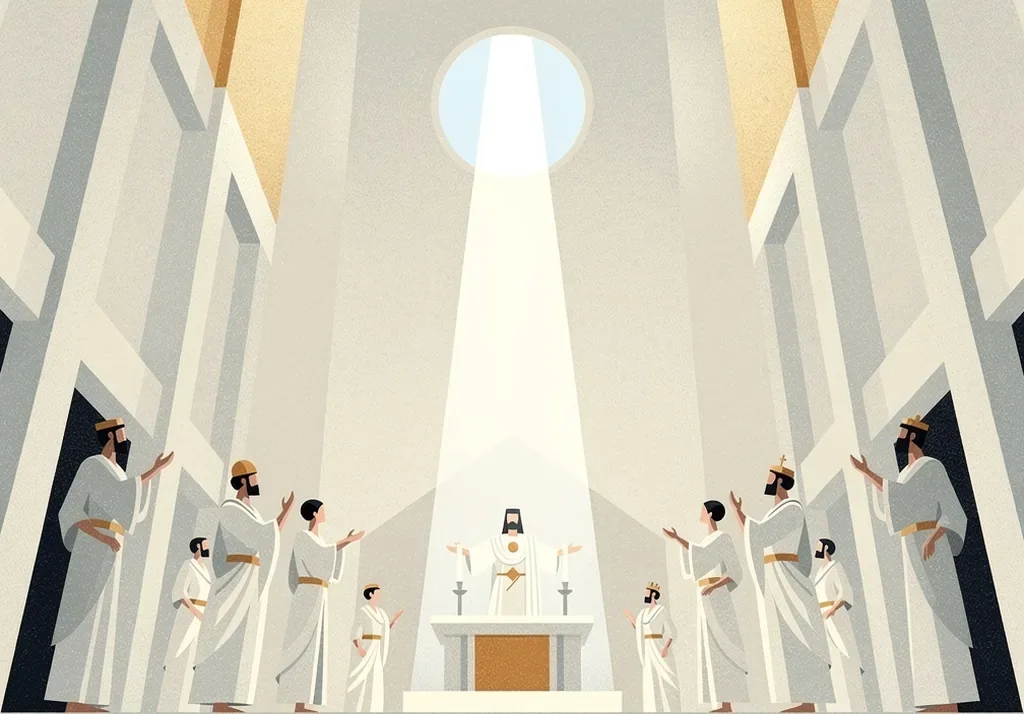
The heart is the center of feeling and desire in a person, and when its mixture is refined down to a single clean note, the inner eye opens onto its own source. Purity here is not moral scrubbing but the clearing of the crowded, divided feelings until one motion remains, and in that undivided state the divine that has always been within becomes visible.
Seeing God is not a distant reward granted later. It is what happens the moment the feeling nature stops being cloudy: the light that was always shining inside is finally looked upon directly.
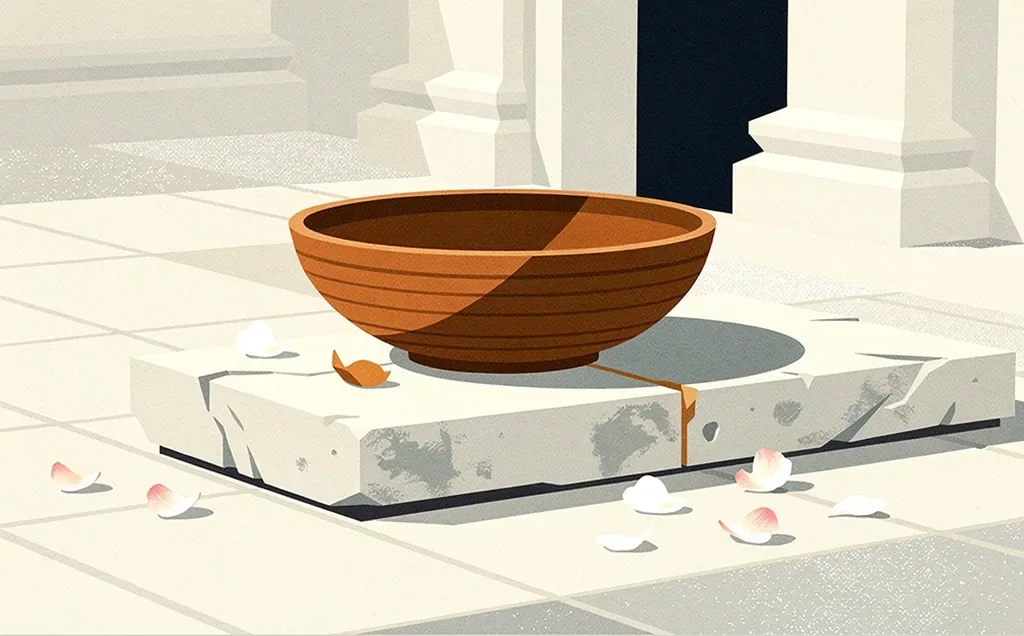
Citta: The heart Citta is the heart, your inner storeroom. Your treasure sits inside it, and your hands and mouth can only bring out what you have already stored there. Pack it with kindness and kindness is what you spend; pack it with spite and spite is all you have to give.
Cetanā: Intention Cetanā is intention, the will behind every act. The same loaf of bread handed over, the same word spoken, leaves your store clean or poisoned depending on the wish behind it; intent is what stamps a treasure good or evil. This is why the Buddha called intention itself the deed.
Kamma: Action Kamma is action that carries a seed. Whatever you bring out plants itself and grows true to type, so a good store yields good deeds the way a fig tree yields figs, never thorns. Reach into an evil hoard and only bruised fruit comes up in your hands.
Vipāka: The ripening fruit Vipāka is the fruit that ripens from what you do. The good and evil things you bring out swing back around to their sender, and the same fruit you set loose becomes the fruit you taste. Every careless word keeps growing until the day it is weighed.
Puñña and Pāpa: Merit and harm Puñña and pāpa are the merit or harm your deeds lay down. This is the one treasure thieves cannot reach and fire cannot burn; it follows you out of every room like your shadow and keeps handing you more of its own kind. Store good and good keeps coming; store harm and harm keeps knocking.
· · ·
The intention behind every act (cetanā) stamps a treasure good or evil. The same loaf handed over leaves your store clean or poisoned depending on the wish behind it.
Every action carries a seed (kamma) and grows true to type: a good store yields good deeds the way a fig tree yields figs, never thorns.
Whatever you bring out ripens into fruit (vipāka) that swings back to its sender. A careless word keeps growing until it is weighed.
The merit or harm your deeds lay down (puñña, pāpa) is the one treasure thieves cannot reach and fire cannot burn: "out of the good treasure of the heart bringeth forth good things."
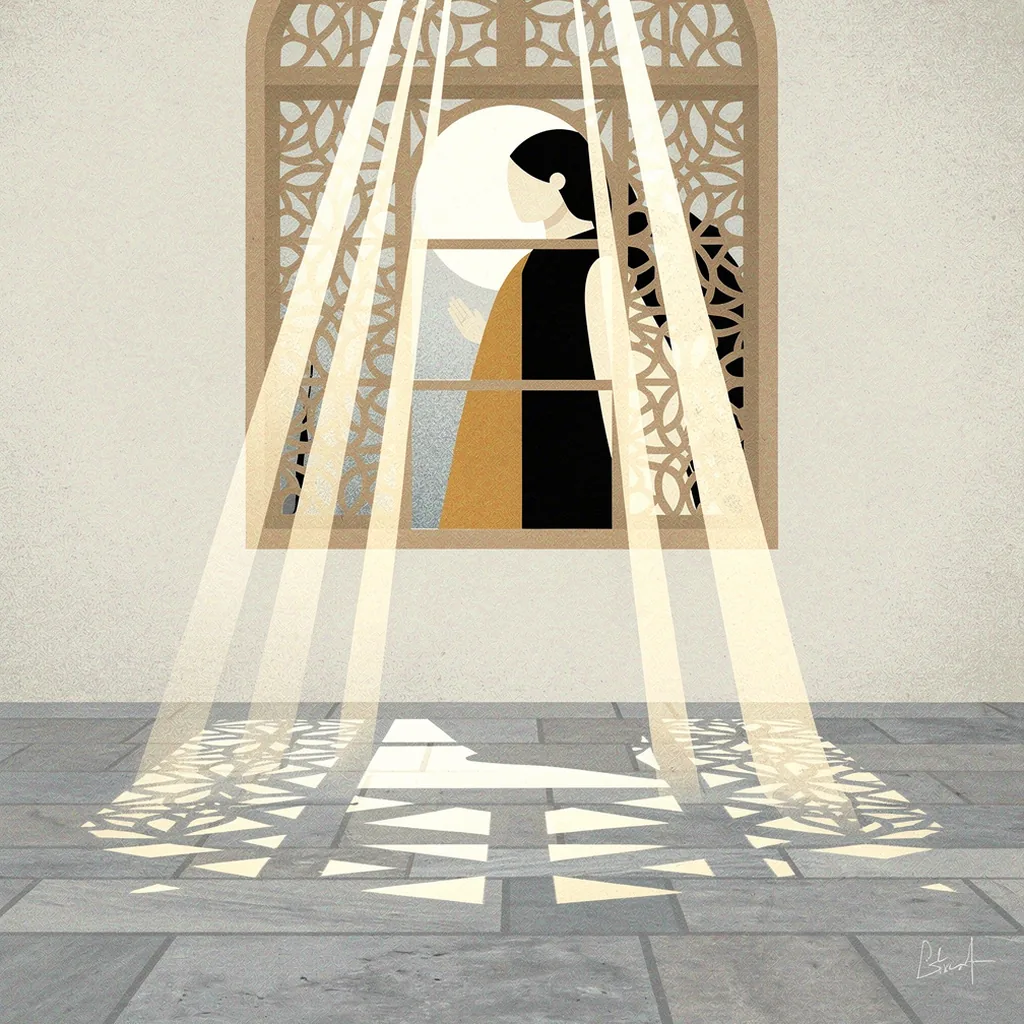
It is the last night, and in a borrowed upper room a man tells his friends to picture a vineyard. He says he is the real vine and his Father is the one who tends it. He is not comparing himself to a plant. He is saying what being itself is like: there is one life rising through everything that lives, and every leaf that thinks it stands on its own is drinking sap it did not make.
The gardener cuts away branches that give no fruit and trims the ones that do, so they give more. The cutting is not punishment. What gets cut is the branch's idea that it owns its life. Nothing has existence of its own; each thing borrows it, and God makes the whole world new at every single breath, so fast we mistake the flicker for a solid thing standing there. Fruit is just one of God's qualities showing through a creature, mercy appearing as a merciful person, sight appearing as someone who truly sees. He was a hidden treasure who loved to be known, and branches are how the knowing happens.
One line per lens.
In Lensightful, names, numbers and symbols light up in the text. Tap one to see what it means in each tradition you choose.
Get Lensightful on the App Store