Ḥikma: Wisdom, each thing set exactly where it belongs al-Ghazali describes God's wisdom as knowing every thing precisely and placing it precisely. A person who has spent a long time turning over an outcome they cannot justify tends to assume anything unexplainable was careless. Holding to wisdom in this sense lets them say the placing was careful while admitting they cannot see how.
Sirr al-qadar: The secret inside what has been decided The Sufis hold that the reasons behind events stay with God and are not handed out for inspection. Anyone who has tried to work backward from something that happened to its cause knows how the mind keeps circling, certain one more pass will crack it. Treating the reason as sealed rather than missing lets a person set the question down without pretending it got answered.
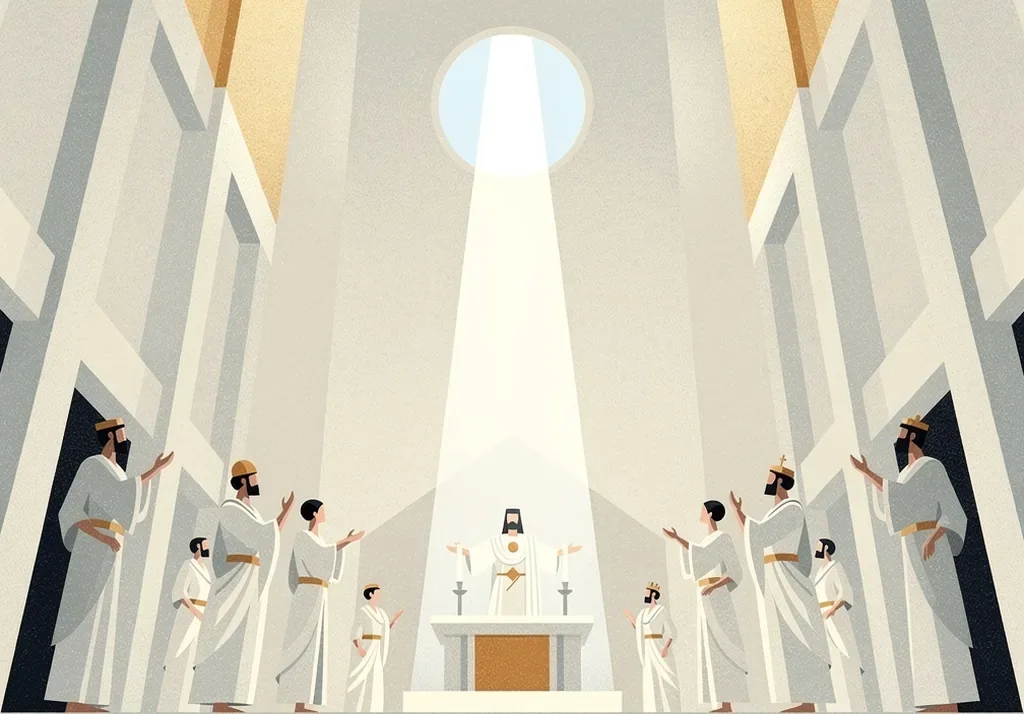
His veil is light: the hiding comes from too much, not too little al-Ghazali built a whole book on this saying of the Prophet, comparing it to how eyes lose things in bright glare. Reaching the end of what a mind can follow usually feels like finding nothing at all. When that blankness is taken as glare, it means the person ran out of capacity while the light kept coming.
Ḥayra: Bewilderment, the standstill of looking at something too large Ibn Arabi uses this word for where a person lands when the thing in front of them dwarfs the mind looking at it. Everyday confusion clears once the missing fact arrives; this kind does not, because nothing is missing. Someone in it gives up tracing the route and stands still, and the standing is steady rather than panicked.
Being unable to comprehend is itself comprehension: the limit teaches something The Sufis repeat this line, often crediting Abu Bakr, and al-Ghazali leans on it heavily. Hitting a wall in thinking normally feels like wasted effort, as if the hours produced nothing. But the place where a mind stops marks the size of what it was reaching for, which is worth knowing on its own.
I cannot count Your praises: praise that admits its own shortfall The Prophet said this in prayer at night, and Sufis have repeated it ever since. Long, hard thinking that ends without an answer usually leaves a flat, defeated feeling. Praise like this gives that moment somewhere to go: the person names what outran them and is glad it runs that far.

 Esoteric
 Sufism