
Bible symbol · 6 lenses
What Does Promise Mean in the Bible Read through 6 lenses
This is the promise which he promised us, the eternal life.
This is the promise which he promised us, the eternal life.
The promise is tender: take one step toward Him and He closes the distance. It is like a spring that rises to meet the one who finally bends down to drink. Only the turning was ever missing.
Sufism lens · James 4:8
“Blessed be Yahweh, who has given rest to his people Israel, according to all that he promised. There has not failed one word of all his good promise, which he promised by Moses his servant.
For bodily exercise has some value, but godliness has value in all things, having the promise of the life which is now, and of that which is to come.
Now, Yahweh God, let your promise to David my father be established; for you have made me king over a people like the dust of the earth in multitude.
Same symbol, 6 ways of seeing it. Tap one to jump to it.
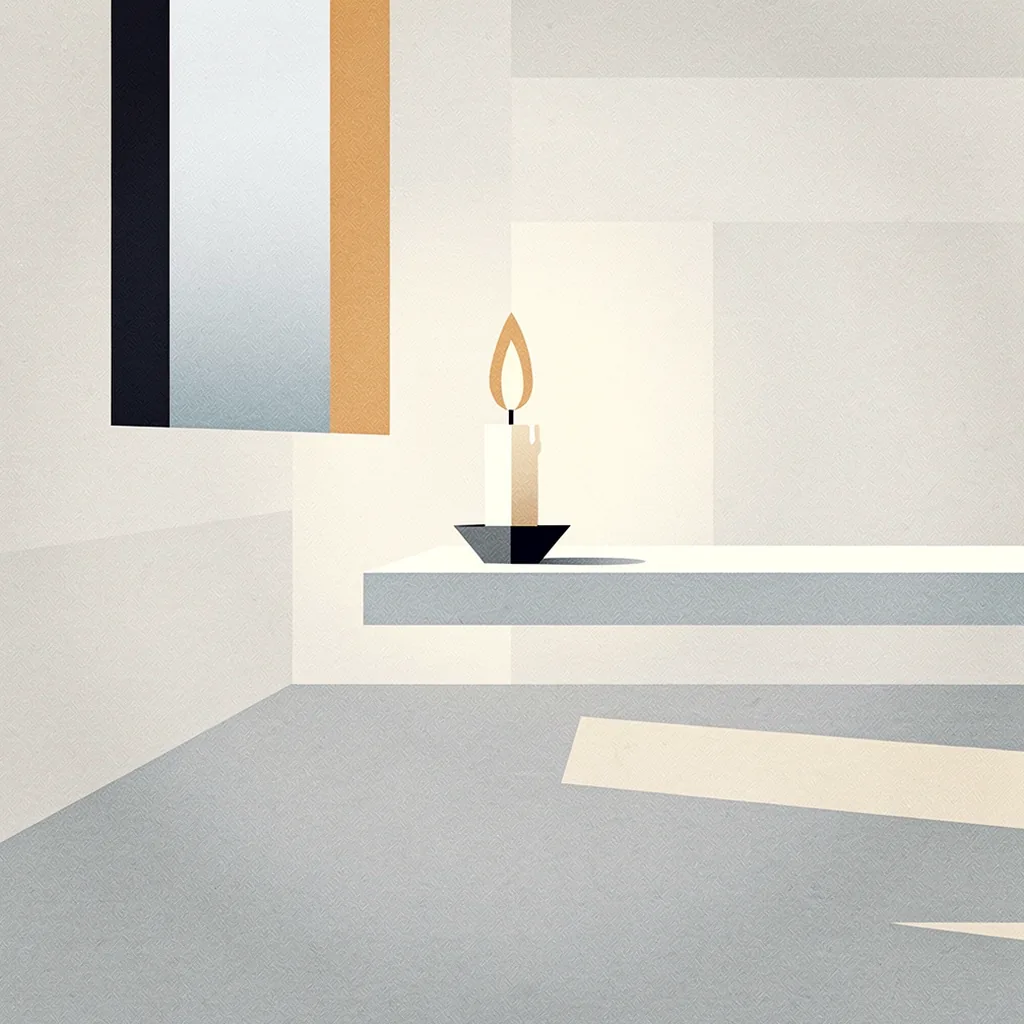
Morning in Jerusalem. Some of the soldiers who watched the tomb walk into the city and tell the chief priests what happened. For a moment they are simply with it: no explanation yet, only the fact, and a fact that big empties the head of its usual noise.
Then the priests call the elders together and start thinking. They settle on a story and pay a lot of silver for it: say the disciples came at night and stole the body while you slept. When something arrives that does not fit who we think we are, the mind does not look, it explains. The ego, the small self made of thoughts and position and reputation, would rather be right than free, and a group guards a shared story even harder than one person guards their own. Notice what the soldiers are told to confess: that they were asleep. And asleep is what they were, the way anyone is asleep who lives inside the voice in their head and takes it for who they are.
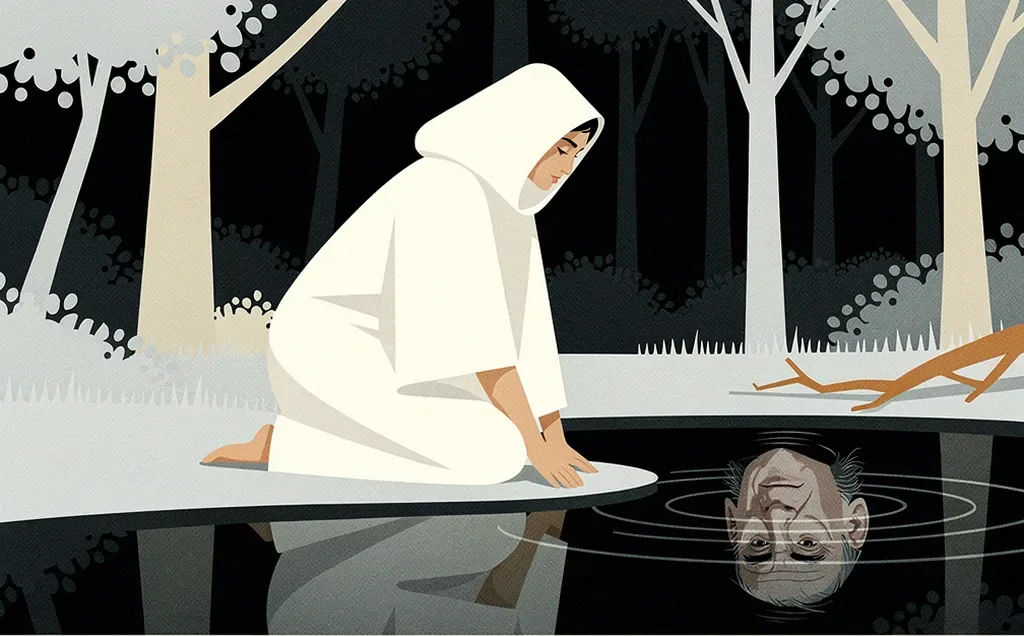
A heart of stone is a fitting picture for a life that has grown hard and closed, feeling little, defended against everything that might disturb it. Many people harden this way to survive, but the cost is that they stop truly living from within.

Moses is dead, and the people are camped in the desert on the wrong side of a river, staring at land they do not own. Then the voice comes to Joshua, who spent his whole life as the assistant, and says get up and cross over. That is the first hard thing. The great man is gone, and the gap he left does not fill itself. Someone has to stand up and carry what he was carrying, and the person who is called is almost never the person who feels ready. Being told to get up is worse news than it sounds, because it means the excuse just died along with Moses.
And three times over he is told the same thing: be strong, take courage. You do not need to say that to a man who is not afraid. Fear is assumed. Courage is what you do while your hands shake. He is told to keep the words with him, to say them and turn them over day and night, and not to drift off to the right or the left, because a person crossing into chaos without a structure is not brave, he is lost. Then the last line: do not be terrified, because I am with you everywhere you go.
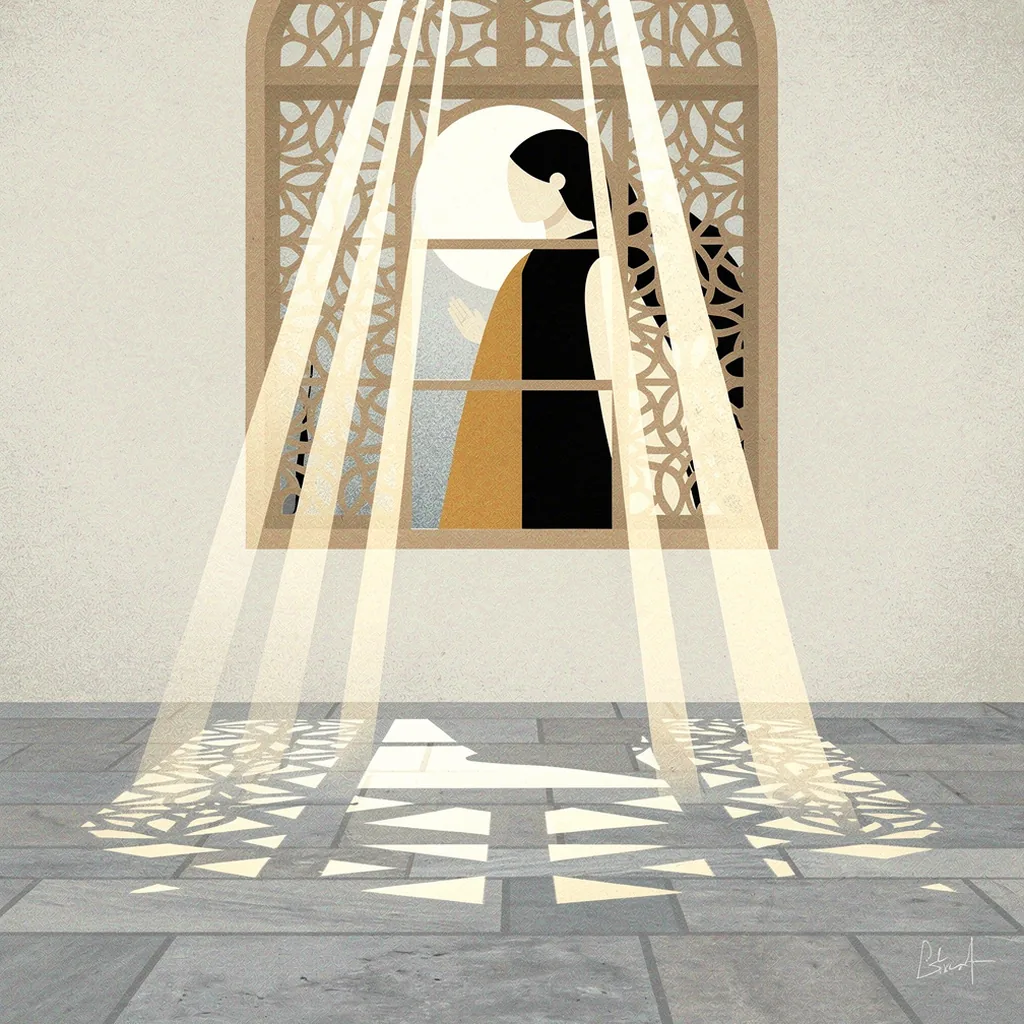
At the door of the tent in the desert, every morning a year-old lamb is brought and burned on the altar, and as the sun goes down another one, exactly the same. Flour and oil are mixed and set with it, and wine is poured out. Nothing about this is new or clever. It is the same small gift, twice a day, for as long as the people live. And that is the first thing it teaches: the world is not made once and left standing. It is handed over fresh in every breath, and the moment you think you are holding it, it is already gone and already given back. The lamb was never really theirs to keep. They are only returning, out in the open, what was being placed in their hands that same hour.
Twice and not once, because the gift that arrives with the light and the gift that arrives with the dark are not the same gift. No two moments of this showing are ever identical. Morning and evening are like breathing out and breathing in, and the flour, the oil, the wine are the plain stuff of an ordinary day, lifted up and let go.

Love reaches its full growth when a person no longer braces for the verdict. Fear runs the mind like a courtroom, replaying old failures, waiting for the sentence. That dread drains away when the self-image stops being the accused and starts matching the pattern it was made from. A man who knows he already carries that likeness walks into the hard hour without flinching.
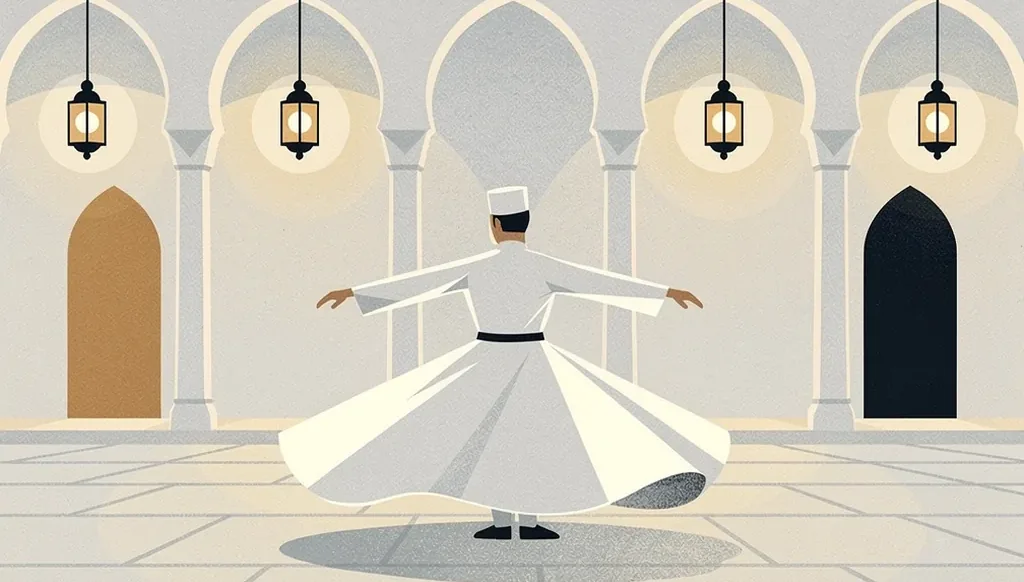
A heart split in two, half wanting God and half wanting the world's applause, can never settle. That divided wanting is its own quiet sickness, and the first honest step is to admit the split rather than pretend the halves agree. Then the hands are washed and the inner rooms swept clean.
One line per lens.
In Lensightful, names, numbers and symbols light up in the text. Tap one to see what it means in each tradition you choose.
Get Lensightful on the App Store