
Bible symbol · 4 lenses
What Does Sin Mean in the Bible Read through 4 lenses
If you do well, won’t it be lifted up? If you don’t do well, sin crouches at the door. Its desire is for you, but you are to rule over it.”
If you do well, won’t it be lifted up? If you don’t do well, sin crouches at the door. Its desire is for you, but you are to rule over it.”
Sin: the crouching thought of separation, powerless until the mind opens to give it a home.
Christian Psychology lens · Genesis 4:7
So now it is no more I that do it, but sin which dwells in me.
For I delivered to you first of all that which I also received: that Christ died for our sins according to the Scriptures,
I acknowledged my sin to you. I didn’t hide my iniquity. I said, I will confess my transgressions to Yahweh, and you forgave the iniquity of my sin.
Same symbol, 4 ways of seeing it. Tap one to jump to it.

The mind is told plainly that acceptance was never at risk and that the choice is entirely its own. What crouches at the threshold is not a fate closing in but a thought waiting to be admitted or refused, and the whole of temptation is that single decision about what to welcome. Guilt cannot enter a mind that will not open to it.
Here the miracle is stated as a promise. The angry impulse desires the mind, seeking to be believed, yet the mind is given authority over it. To rule is not to fight the thought but to withdraw belief from it, remembering that a choice for fear can always be exchanged for a choice for love.
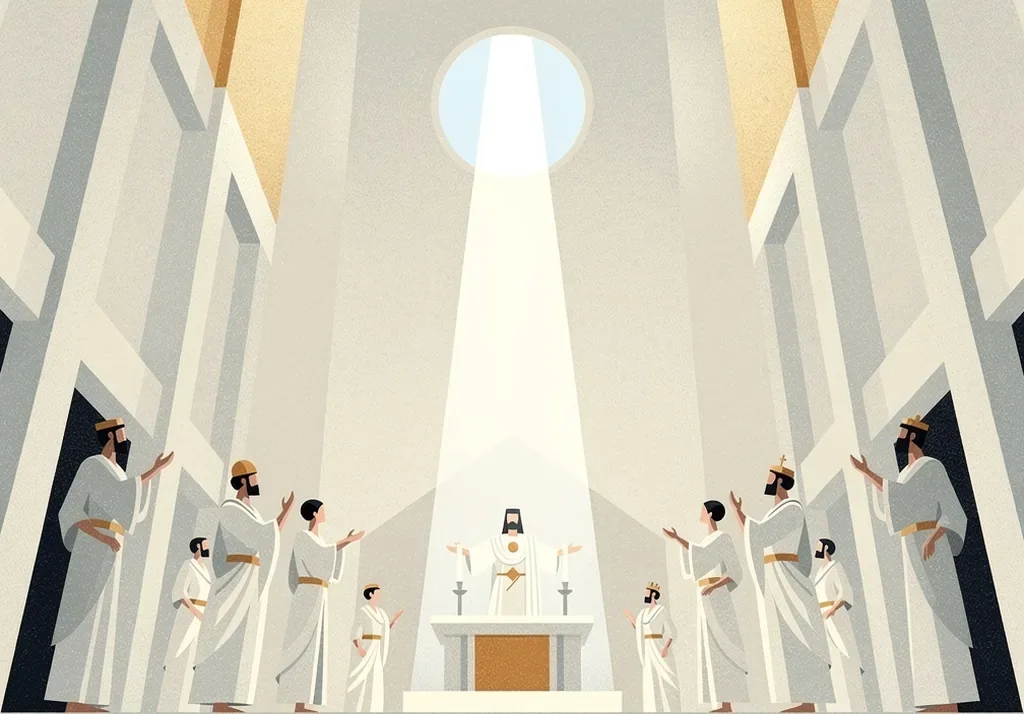
The true self and the resident fault are 2, and the deeds a person laments come from the tenant, not the owner. Sin here is the flesh-drive lodged in the body, an old occupant that acts on its own momentum below the level of the awakened will. When the higher awareness sees clearly, it recognizes that these compulsions belong to that indweller, the animal pull that took up residence in the members, and not to the real center of the person.
This is not excuse but exact sight. The awakened self separates from the mechanism that runs the flesh and names it a lodger inside, so it can stop mistaking the tenant's acts for its own nature.
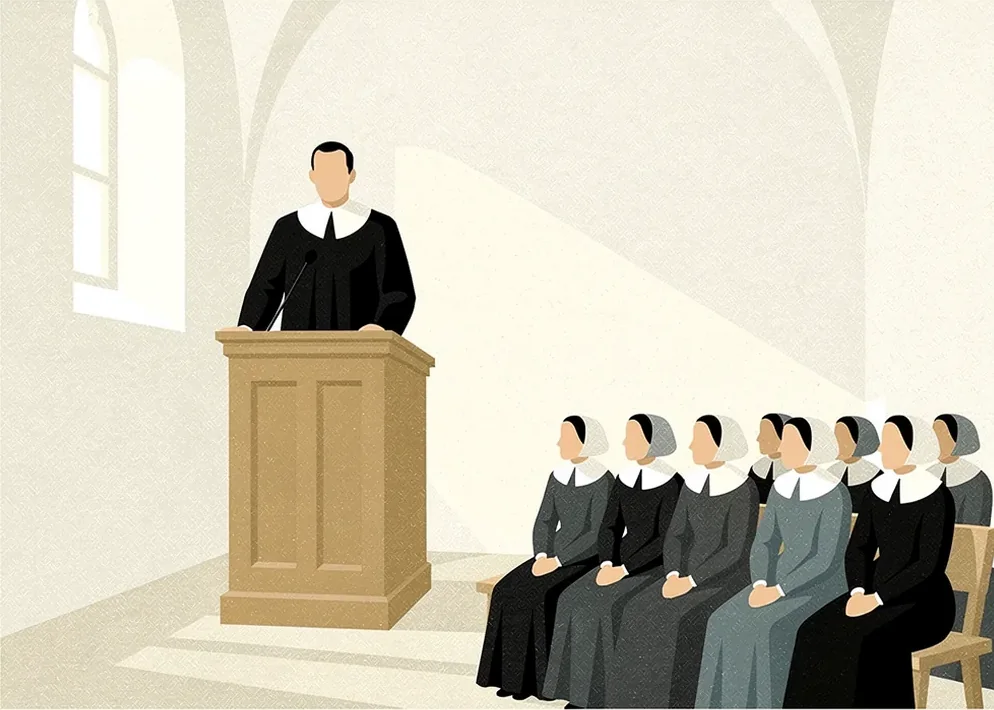
Delivered and received were the set terms for handing on a fixed formula, held word for word. The wording was already old before it was written down, learned from people who had watched what it reports.

Ghurūr: Self-deception Al-Ghazali used this word for the polished excuses people hand themselves. Hiding a fault from other people takes work, and hiding it from yourself takes more, because the story has to be kept running. Dropping it brings relief mostly because a person stops maintaining something they already know is false.
I acknowledge Your kindness to me and I acknowledge my sin: both said in one breath The Prophet taught this line inside a short prayer. Most people can hold only one half at a time: either they feel loved and skip past the wrong, or they stare at the wrong and forget they are loved. Saying both together keeps the fault from swelling into everything or shrinking into nothing.
Regret is repentance: the ache is the turn beginning A saying of the Prophet, and a short one. People often wait to feel like a changed person before admitting anything, as though the sting were a fee paid before entry. The sting someone feels on finally stopping the argument with themselves is where the change starts.
Tawba: Turning back The word means a full about-face. The tradition holds that God turns toward a person first, and the person's turn answers that; one of His names in the Quran means the One who keeps turning back. So the wish to stop hiding often arrives before any nerve does, and the tradition reads that arrival as help.
God forgives all sins: no fault sits outside reach The Quran says this to people who have wronged themselves and are close to giving up. The heavier danger at that point is the quiet verdict a person passes on themselves, which makes silence feel safer than speech. Hearing plainly that no fault is too big takes away the reason for keeping quiet.
One line per lens.
bush
In Lensightful, names, numbers and symbols light up in the text. Tap one to see what it means in each tradition you choose.
Get Lensightful on the App Store