States the teaching's core law directly: the arrogant self-image collapses precisely because power without humility turns into blindness.
The ego does not panic when a person fails. It panics when it is seen. Narasimha is not mythology. It is the moment illusion gets exposed, the day awareness kills the false self. This has happened to kings. It has happened to CEOs. It happens to everyone. The moment a person thinks "No one can touch me," reality sends Narasimha. Hiranyakashipu asked for protection from death in every possible way: no man, no animal, no weapon, no day, no night, no inside, no outside.
He did not just want safety. He wanted superiority over reality. His son Prahlada did something dangerous: he refused to shift his inner alignment even when threatened. When asked, "Is your Vishnu in this pillar?" he answered calmly, "He is everywhere." And the pillar broke, not to kill a father, but to break arrogance. These characters live inside every person. Prahlada is the part that stays calm when insulted. Hiranyakashipu is the voice that says, "How dare they?" The boon is the story a person tells themselves: "I've covered all risks." The pillar is the inner center.
Narasimha is what happens when truth interrupts control. Ego is not confidence. Ego is the panic when the self-image cracks. It whispers, "I must not look small," "I must win," "I must not be questioned." The tension felt in the chest when corrected is ego defending a picture. Prahlada's real strength was that he did not fight, did not debate, did not over-explain, did not try to dominate back. He simply refused to abandon his center.
- That is strength: not aggression, but stability. Hiranyakashipu was not weak. He was intoxicated with certainty. Power without humility turns into blindness. A founder stops listening. A leader stops adapting. A partner stops reflecting. Collapse begins quietly. This is the disease of certainty. The boon is symbolic. Ego writes invisible agreements: "If I control everything, I won't be hurt," "If I dominate, I won't be rejected," "If I stay perfect, I'll be safe." These are not facts.
They are fear contracts. The pillar is not outside a person. It is the center. Shaking when insulted, panicking when money drops, inflating when praise comes are all signs that the pillar is weak. Strength is built in silence. Ego is logical, so reality defeats it illogically: not man, not animal, not inside, not outside. Truth does not attack weakness. It attacks the blind spot: the resignation letter that was not expected, the rejection that humbled, the feedback that stung.
The right response is not a complaint of why this happened but what illusion just died The destruction happened between categories, at the threshold, not fully inside, not fully outside, not day, not night. Ego does not collapse in dramatic battles. It collapses in micro-moments: right before a person defends themselves, right before they blame, right before they exaggerate. There is a two-second doorway. If a person pauses there, Narasimha acts.
Miss it, and the demon survives. Hiranyakashipu was not thrown away. He was held on the lap. Ego is not destroyed publicly. It dissolves privately, in one's room, in one's thoughts, in the conversations no one hears. The ego survives in noise; awareness survives in silence. Prahlada was not loud. He was steady. Devotion here does not mean religion. It means refusing to betray one's center. Living this story means first identifying where control is demanded, then choosing one non-negotiable habit and protecting it daily.
The pillar is built through repetition, not hype. When life corrects, the lesson is extracted rather than defended against. More is maintained than announced. One promise a day, kept. That is Vishnu energy. Ego is not crushed; it is outgrown. When it speaks, it is named. When it lies, it is questioned. When it fears, it is soothed. Then a person acts with awareness anyway. Repeated enough, the old identity loosens. Transformation is repetition, not drama.
The mantra "Ugram Viram Maha Vishnum" carries the wish that fierce clarity burn one's illusions before they become one's destiny. "Om Namo Bhagavate Vasudevaya Namah" is not ritual but alignment. It means: a bow and surrender to the sustaining intelligence within existence.
Recommended practice
Tonight, notice one moment of performing instead of simply existing. Name the inner tyrant honestly. When triggered, quietly say, "I'm protecting an image," and watch what softens. Before responding, take three slow exhales. Once today, write, "I might be wrong about..." and let the sentence breathe. Say, "I don't need control to survive." Stand upright for two minutes with no phone and no adjustment, in stillness. When corrected, name what illusion just died instead of asking why me.
Guard the two-second doorway before defending, blaming, or exaggerating. Sit alone and name what truth about the self has been avoided, without answering quickly, letting it hurt a little. When anxiety rises, repeat, "I witness this. I am not this." Choose one non-negotiable habit and protect it daily. Keep one promise per day. When the ego speaks, name it; when it lies, question it; when it fears, soothe it, then act with awareness anyway.

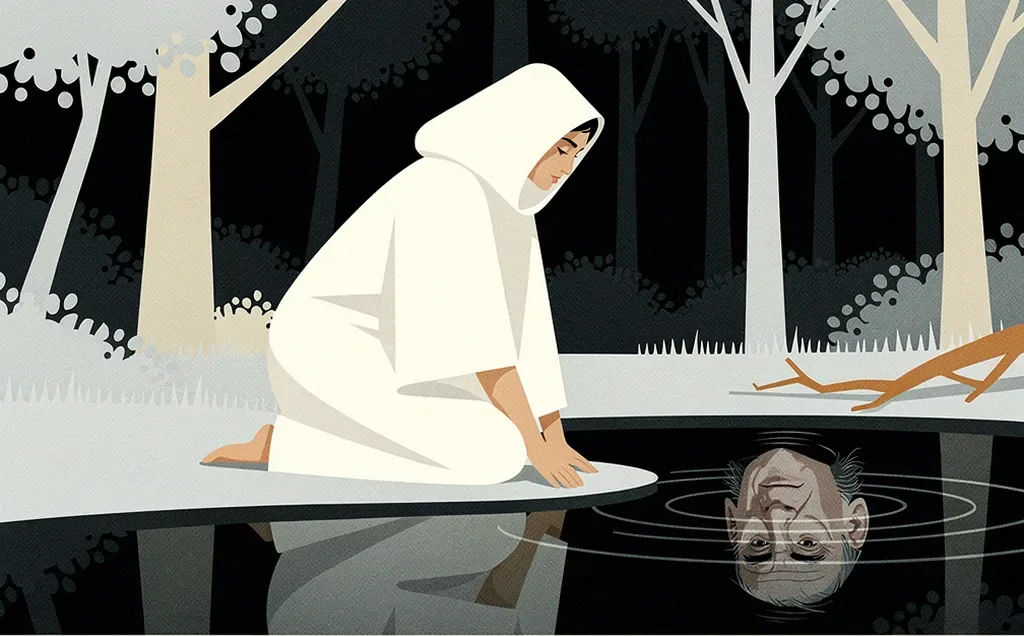 Psychoanalysis
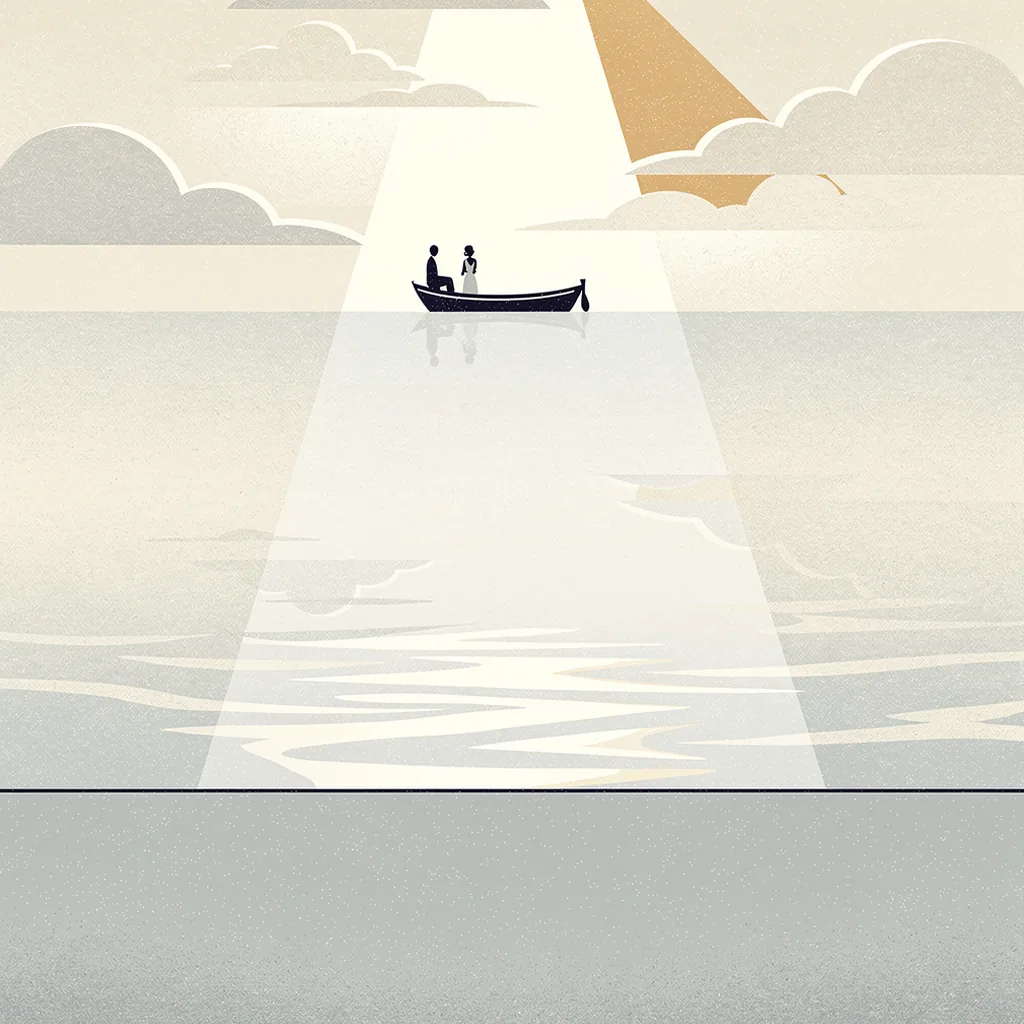 Christian Psychology
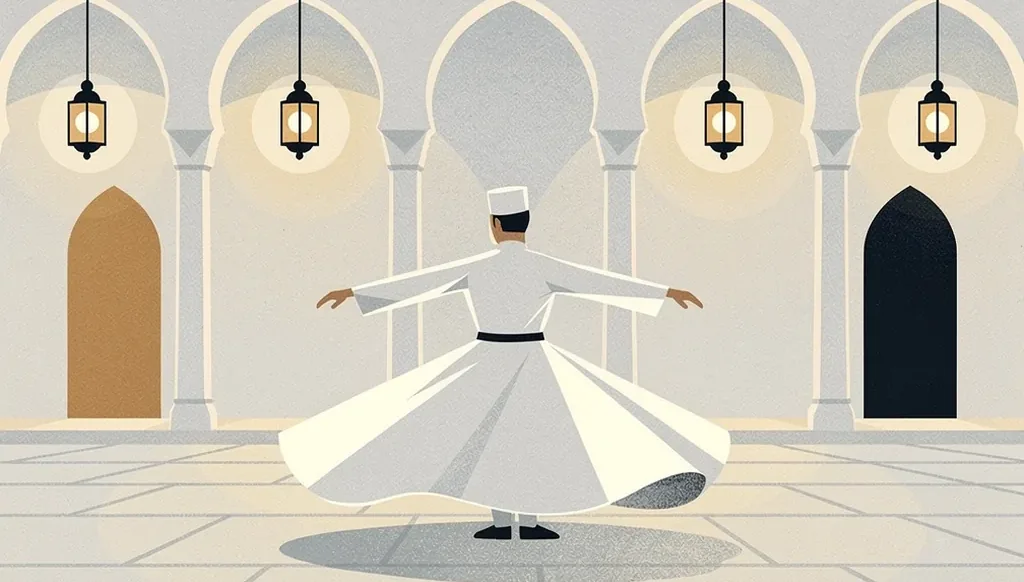 Sufism
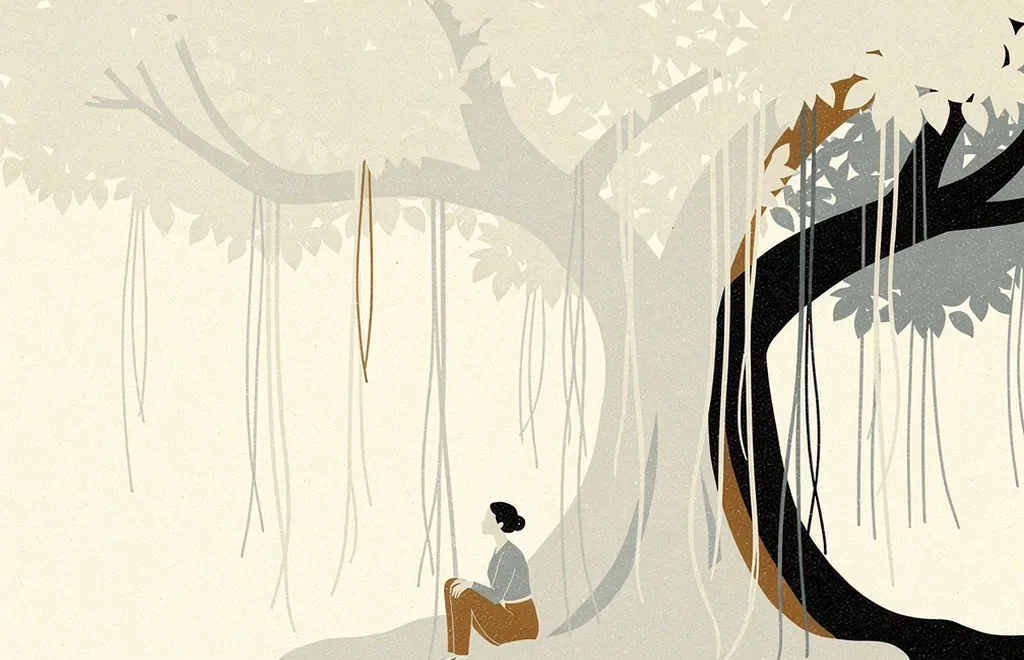 Hinduism