
Job 4:19 · World English Bible
Job 4:19 Meaning How Much More
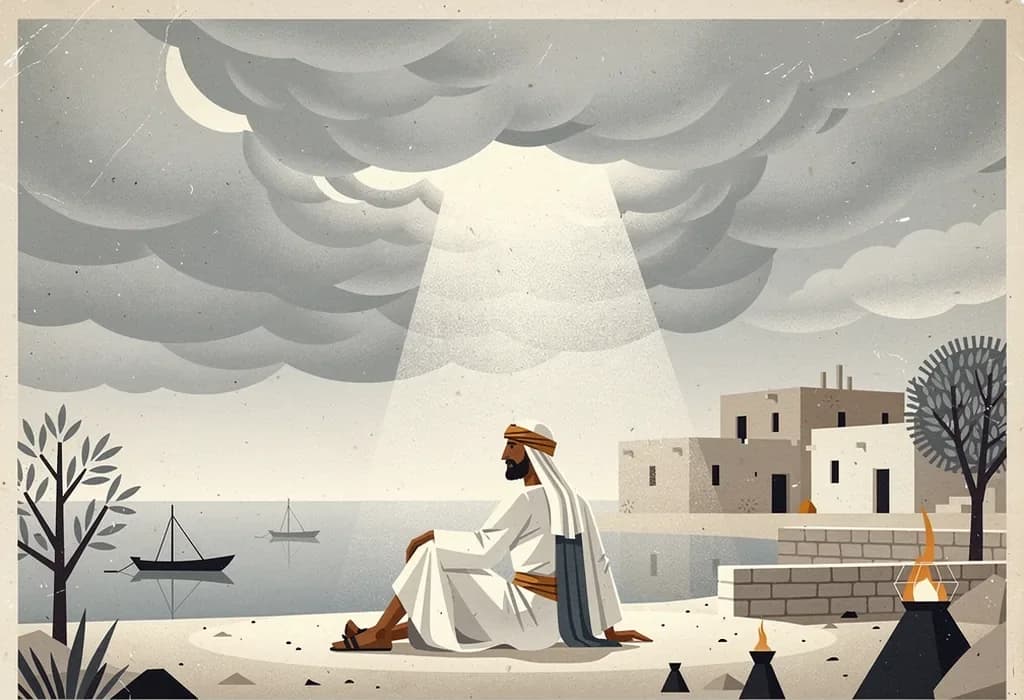
How much more, those who dwell in houses of clay, whose foundation is in the dust, who are crushed before the moth!
Job 4:19 · World English Bible
How much more, those who dwell in houses of clay, whose foundation is in the dust, who are crushed before the moth!
Pathavīdhātu: The earth element The solid, earthen quality present in any body. Clay is dug from a bank, shaped, dried, and it crumbles back down to that same bank, so a house of clay is honest about where it came from.
From the Buddhism reading below.
The same verse, read by 2 traditions.

BUDDHISM
Pathavīdhātu: The earth element The solid, earthen quality present in any body. Clay is dug from a bank, shaped, dried, and it crumbles back down to that same bank, so a house of clay is honest about where it came from. Bone and tooth and nail are that identical dug earth held in shape for a while, resting on a foundation of dust because there was never any other ground to stand on.
Sakkāyadiṭṭhi: Identity view The assumption that someone stands behind the body, owning it. A tenant can shrug at a leaking roof because he will move out eventually, and that is the quiet comfort hidden in picturing oneself as a dweller rather than as the dwelling. Search the house of clay for the tenant and you find walls, damp, a low ceiling, and nobody holding the lease.
Anicca: Impermanence The coming-apart built into anything assembled. A moth is already the flimsiest thing in the room, powder between two fingers, and to be crushed sooner than that leaves no margin to appeal to. The clay was never promised to hold; it dries, it cracks along the grain, and it goes back down.
Maraṇassati: Recollection of death The deliberate daily recall that this life ends. Eliphaz pulls it out of a night vision with his hair standing up, and fright produces what fright always produces: a shudder, then sleep, then the argument he wanted to win. Held steadily each morning instead, thin walls become useful information, since a person who knows the roof is coming down stops postponing.
Kāyagatāsati: Mindfulness of the body Attention that stays with the body as it is. A house of clay can still be walked through room by room: breath at the nostrils, weight on the soles, the ache along the back, all of it earth and water doing what earth and water do. Living somewhere knowingly is different from cowering in it, and understanding what the walls are made of takes much of the terror out of their cracking.

SUFISM
The speaker means to shame a broken man by calling him frail dust, crushed as easily as a moth is. But contempt for the fragile body is its own disease, a hidden pride that forgets the one who spoke aloud is made of the same clay. The cure is to look at one's own foundation in the dust and grow gentle with everyone standing on it.
And the clay is not an accident to be despised. A lamp is fragile too, yet it is precisely there that the flame is set and seen. The frailty the speaker mocks is the very cup God chose to pour His light into.
Buddhism lens
If this body is going back down to the ground it came from, what have I been postponing as though it were not?
He reminds himself that he is a little flesh, a little breath, and the part that steers it. Picking the body apart into its plain materials takes the drama out of its breaking.
The body is worn the way clothes are worn, taken up and set down again. What you call your shape was borrowed from the world and goes back to it.
At birth a person is soft and supple, and at death stiff and dry, like a green branch and then a dead one. The stiffening is not an insult, it is what living material does.

Free · No account needed
Lensightful opens every verse of the Bible through the traditions you choose. Save readings, ask a follow-up question, and get one verse a day.
Get Lensightful on the App Store Buddhism
 Sufism