

Matthew 10:34 · World English Bible
Matthew 10:34 Meaning Don’t Think That I Came to Send
Don’t think that I came to send peace on the earth. I didn’t come to send peace, but a sword.
Matthew 10:34 · World English Bible
Don’t think that I came to send peace on the earth. I didn’t come to send peace, but a sword.
His hearers wanted a deliverer who would settle the land and quiet the fighting, and he refuses that hope outright. The sword is his to throw, and it lands inside a house rather than on a battlefield.
From the Protestant reading below.
The same verse, read by 5 traditions.
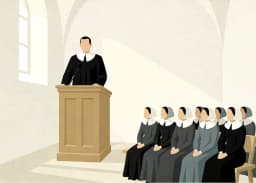
PROTESTANT
His hearers wanted a deliverer who would settle the land and quiet the fighting, and he refuses that hope outright. The sword is his to throw, and it lands inside a house rather than on a battlefield.
In that world a household set a person's work, inheritance, and marriage, so a break there cost everything at once. He ranks loyalty to himself above all three, a place only God can claim. The warning comes in advance, so no one follows expecting the people at home to follow too.

EGO & BEING
There is a comfort the mind is always seeking, a smoothing-over that lets you stay asleep in your old identity. This is not what awakening brings. Truth enters like a blade, and what it cuts is the illusion you have taken yourself to be.
It divides the false from the real in you: the mind-made self from the awareness that lies underneath it. This can feel like loss, even like conflict, before it feels like freedom. What arrives is not the surface calm that keeps you comfortable, but the clean cut that frees you from a false idea of who you are.

MANIFESTATION
The sword is the cut a man makes between what his senses report and what he has chosen to accept as so. To live by imagination is to break with the evidence of the present, and that break is not gentle. It divides a person from the comfort of agreeing with the facts before him.
Ordinary peace is easy agreement with things as they are. This teaching disturbs that peace on purpose. A life changes only when a man refuses the given world and holds instead to the unseen state he wants. The blade separates the old self, ruled by circumstance, from the new self, ruled by assumption. Growth begins where a person stops making peace with appearances.

ESOTERIC
The sword is discernment, the cutting edge of awareness that divides the higher nature from the lower and will not let them stay blended in comfortable sleep. The awakening self does not arrive to soothe the flesh into an easy truce; it comes to sever, to separate spirit from appetite so cleanly that the old peace of the sleeper is broken. Earth is the physical, material nature, and the quiet it wants is the quiet of remaining unconscious.
What cuts is the same clear seeing that finally distinguishes what a person truly is from what merely moves through him. The false calm must end before the real awareness can begin.
Sword: the cutting discernment of awareness that divides the higher nature from the lower Earth: the physical, material nature that wants the quiet of staying unconscious

PSYCHOANALYSIS
Growing into your true self swings a sword before it hands over any peace.
The grief of families split by this demand is real. Christ's words mirror the bold break a person has to make to leave the world of their parents behind, the same leaving the young Buddha made when he walked out of his father's palace. The sword is not cruelty but the power to tell things apart: peace promised before this inner struggle is a false comfort that hides the rejected parts of a person instead of facing them.
What this asks is that a person turn their fight inward, against their own craving for power, rather than melt into belonging. The blade falls inside, between you and all you have refused to face.
Protestant lens
Whose approval have you been quietly putting first?
Siddhartha left a wife, a son, and a throne, and the tradition never pretends the house approved. The road out of the palace ran straight through the people in it.
He writes that the fire does not negotiate with what it burns. Love of the One sets a man against his own household before it sets him against anything else.
If your father or brother asks you to do what is not yours to do, he said, keep your part and let them keep theirs, even if they call you the worst son alive.

Free · No account needed
Lensightful opens every verse of the Bible through the traditions you choose. Save readings, ask a follow-up question, and get one verse a day.
Get Lensightful on the App Store Protestant
 Ego v. Being
 Manifestation
 Esoteric
 Psychoanalysis