
Psalms 119:59 · World English Bible
Psalms 119:59 Meaning I Considered My Ways
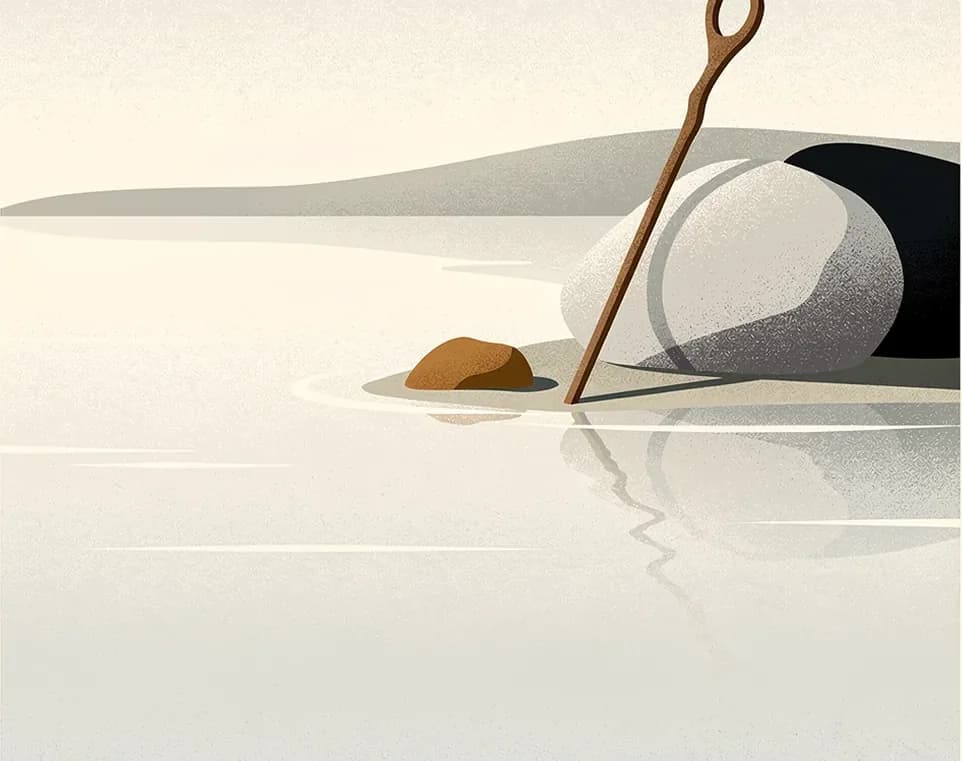
I considered my ways, and turned my steps to your statutes.
Muḥāsaba: Taking stock of yourself Al-Ghazali describes this as going over your own accounts the way a careful shopkeeper checks the books each night. Most people put that hour off, because they already half know what it will show: the drift, the small habits, the excuses nobody has ever questioned.
From the Sufism reading below.
The same verse, read by 2 traditions.

SUFISM
Muḥāsaba: Taking stock of yourself Al-Ghazali describes this as going over your own accounts the way a careful shopkeeper checks the books each night. Most people put that hour off, because they already half know what it will show: the drift, the small habits, the excuses nobody has ever questioned. Someone who finally reads their own record without softening it stops guessing about their life and sees plainly where they stand.
Being pleased with yourself is the root of every wrong turn: self-approval hides the flaws The line comes from the Egyptian teacher Ibn Ata Allah. Someone quietly satisfied with themselves has no reason to examine anything, since from the inside their ways already look fine. Once that satisfaction cracks, faults that stayed invisible for years become obvious enough to do something about.
Tawba: Turning back The word means physically turning around and heading the other way. Seeing your own mess and leaving it are two different moves, and many people stall for years in the gap between them. The turn happens in a single decision, and the tradition holds the door stays open however often a person has turned and slipped before.
Adab: Careful manners with God Early teachers said the whole path is nothing but adab. Once a person has turned, the question becomes how to walk, and adab is the close attention to doing things the way the one you love wants them done. Someone with it keeps the small requests as carefully as the large ones, because the point is the friendship rather than the minimum.
Istiqāma: Staying straight Someone once asked the Prophet for one thing to hold to, and was told to believe in God and then stay straight. The turn itself can be made in an afternoon; keeping the new direction on a dull Tuesday, weeks later, is the harder part. Steadiness means a person walks the same line after the first rush of feeling has worn off and nothing is pushing them.

SELF-HELP
Every honest realization has a short shelf life, and the feet are the only thing that preserves it.
Auditing one's own ways produces a verdict, and a verdict with nothing attached to it hardens into a permanent opinion a man holds about himself while living the opposite. The turn is what makes the review worth having, since the direction of the feet is the only evidence the thinking went anywhere.
God's statutes are a road to be walked rather than a subject to be weighed, and the walking teaches what the review could only describe. A man who turns in the same hour he considers is spending his conviction while it is still hot, and each step taken that way makes the next one cheaper, until the direction holds without deliberation.
Sufism lens
What have I already half admitted to myself and never actually acted on?
He went over each day at night before sleeping, asking what he had done badly and what he had let slide, and he described taking it calmly rather than flogging himself.
It is easy to see the faults of others and hard to see your own. Most people winnow their neighbor's grain and leave their own unsorted.
Knowing other people is clever. Knowing yourself is the clear sight that actually changes how you walk.
Free · No account needed
Lensightful opens every verse of the Bible through the traditions you choose. Save readings, ask a follow-up question, and get one verse a day.
Get Lensightful on the App Store Sufism
 Self-Help