
Psalms 84:2 · World English Bible
Psalms 84:2 Meaning My Soul Longs
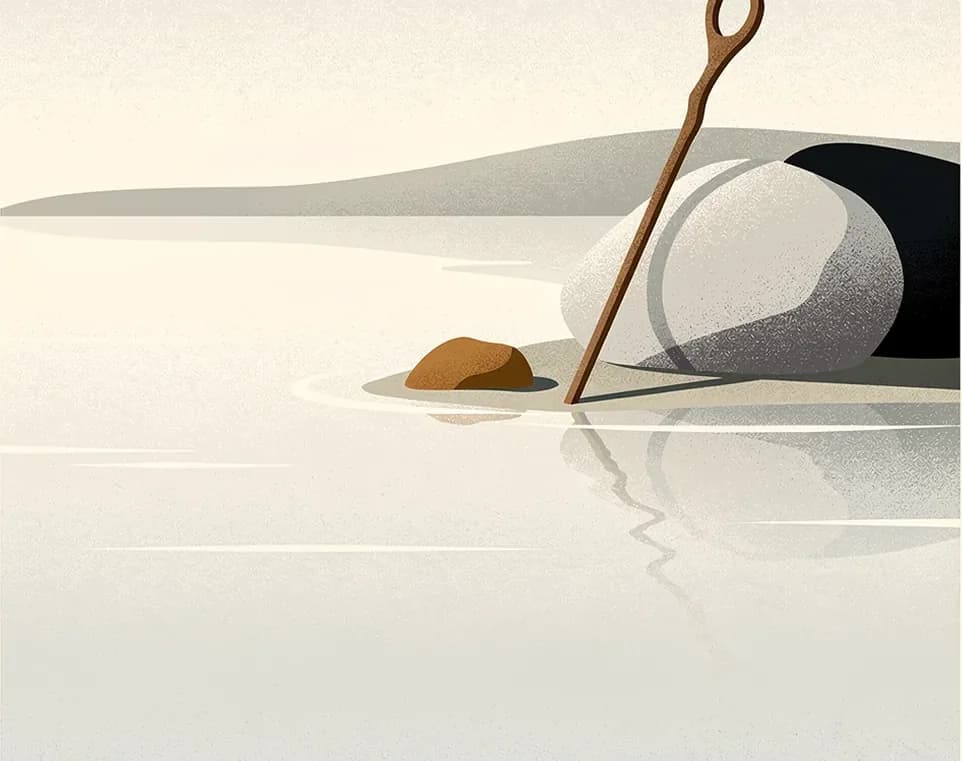
My soul longs, and even faints for the courts of Yahweh. My heart and my flesh cry out for the living God.
Shawq: Longing Shawq names the pull toward God that will not quiet down. Wanting anything this badly is uncomfortable, and most people distract themselves until the feeling fades.
From the Sufism reading below.
The same verse, read by one tradition.

SUFISM
Shawq: Longing Shawq names the pull toward God that will not quiet down. Wanting anything this badly is uncomfortable, and most people distract themselves until the feeling fades. The tradition leaves the ache alone instead, since it marks what is missing and tells a person plainly what they want.
The reed cries because it was cut from the reed bed: the ache proves there was a home Rumi opens his long poem with a cut reed flute complaining about separation. Anyone who feels an emptiness they cannot name or fill knows that sound. The emptiness has a shape that fits what a person once belonged to, so the crying is evidence of home rather than a fault.
Ghurba: Being a stranger far from home Ghurba is the sense of living away from where you belong. Someone in it can be surrounded by ordinary comforts and still feel like a guest waiting to leave. Sufis treat that unsettled feeling as accurate information, and it keeps a person from taking whatever comfort is nearby and calling it home.
Al-Ḥayy: The Living Among God's names, al-Ḥayy points to the one who is alive and awake. Longing can drift into missing a place, a mood, or a good stretch of life that ended. Naming God as living puts someone on the other end of the ache, so the crying out is aimed at a listener who hears it.
Wajd: Being swept up Wajd is the moment longing overflows and takes the body with it. Strong feeling for God spills past the mind into shaking, tears, and weak legs. The tradition treats that as ordinary, since a person wants with their whole body and not only with their thoughts.
Hearts find rest in the remembrance of God: the ache has somewhere to go The Quran promises that hearts settle when they turn toward God, a line Sufis repeat constantly. Longing with no direction turns into restlessness, and a restless person reaches for their phone, food, plans, anything. Remembrance points the ache at its object, and the pressure stops building because it is finally being spent on what it was for.
Sufism lens
What have you been filling this with instead?
Krishna says the one who longs for him with a whole heart is already dear to him, and that this wanting is itself a form of nearness. The ache is not a sign of distance but of a bond already pulling.
The hollow of a cup is what makes it useful, and the empty hub is what lets the wheel turn. Emptiness has a shape, and the shape is what it was made to hold.
A child cries out for a parent who is standing just behind a wall, and the crying is what brings the parent around. The yearning itself is the prayer, before any words arrive.
Free · No account needed
Lensightful opens every verse of the Bible through the traditions you choose. Save readings, ask a follow-up question, and get one verse a day.
Get Lensightful on the App Store Sufism