

Exodus 20:1 · World English Bible
Exodus 20:1 Meaning God Spoke All These Words
God spoke all these words, saying,
Exodus 20:1 · World English Bible
God spoke all these words, saying,
God speaks these commands in His own voice, so what follows binds because of who spoke it and not because the rules strike a hearer as sensible. Hebrew calls the ten commands that follow 'words' rather than 'laws', which makes keeping them an answer to a person.
From the Protestant reading below.
The same verse, read by 2 traditions.
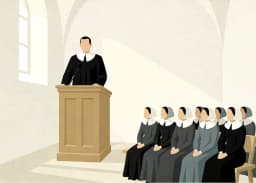
PROTESTANT
God speaks these commands in His own voice, so what follows binds because of who spoke it and not because the rules strike a hearer as sensible. Hebrew calls the ten commands that follow 'words' rather than 'laws', which makes keeping them an answer to a person.
'All these words' holds the set together, and someone who keeps nine while quietly dropping the tenth has not obeyed God nine tenths of the way. God spoke them to people He had already carried out of Egypt. They show a rescued people how to live with the God who saved them.

ESOTERIC
The whole utterance rises from the god within before a single command is heard, and that speaking source is the pineal gland, the seat where the I AM opens in a person. This is the point at which the divine center begins to voice itself through the body, the words not arriving from a far-off sky but breaking out from the innermost place of awareness. Everything that follows is carried on this one inner voice, the god at the center of a person finding speech.
What speaks here is the deepest self within, the divine center opening its mouth so that a person hears the god within rather than a lawgiver outside.
God: the divine center within a person, seated in the pineal gland, that begins to speak
Protestant lens
Which one have I been treating as optional, and what does keeping nine out of ten say about who I think is speaking?
Arjuna's duty becomes clear not because the reasoning convinces him but because the one speaking is Krishna. The instruction carries weight from the speaker, and the relationship is what makes it binding.
Epictetus taught that a person lives under orders from the one who posted them at their station, and a soldier does not audit each command before obeying. The authority behind the word is the reason to keep it.
The sages pass teaching hand to hand from one named person to the next, because a teaching is carried by who gave it. Receiving it is answering someone, not evaluating a rule.

Free · No account needed
Lensightful opens every verse of the Bible through the traditions you choose. Save readings, ask a follow-up question, and get one verse a day.
Get Lensightful on the App Store Protestant
 Esoteric