

Romans 8:18 · World English Bible
Romans 8:18 Meaning For I Consider That the Sufferings
For I consider that the sufferings of this present time are not worthy to be compared with the glory which will be revealed toward us.
Romans 8:18 · World English Bible
For I consider that the sufferings of this present time are not worthy to be compared with the glory which will be revealed toward us.
The verdict is in, and the suffering does not come close to the glory. Reckon is a bookkeeper's word for totaling a column, and this total was added up from inside the pain.
From the Protestant reading below.
The same verse, read by 3 traditions.
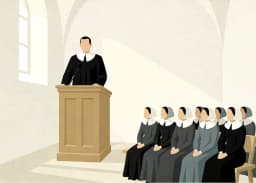
PROTESTANT
The verdict is in, and the suffering does not come close to the glory. Reckon is a bookkeeper's word for totaling a column, and this total was added up from inside the pain. What gets weighed is the suffering, not the sufferer; nobody is scored on how well they bear up.
The present season runs to a set end. The glory is settled already, kept from sight until God uncovers it in the very people who ache now. That prospect belongs to those who are Christ's, held for them by God's gift in him.

MANIFESTATION
Every hardship you feel now is measured against a specific end you are moving toward, and the two do not belong on the same scale. The pain sits close. That is why it feels loud, while the end stays quiet and unseen in your world. Yet the end is already alive inside you, the way an oak sleeps inside an acorn. The very hardship that seems to be crushing you is the ground that end must break through to stand.
The glory is no reward handed down from elsewhere. The glory is the self already being assumed, ripening until the outer scene has no choice but to match it. What a person carries within as settled fact becomes the world he wakes into. The discomfort of waiting is simply the pressure of a state on its way to being seen.

BUDDHISM
Dukkha: Suffering This is the built-in ache of a life that never stays satisfied. The sufferings of this present time are the toothache, the grief at a graveside, the slow wearing of the body, the plain friction of wanting what you cannot keep. Face them squarely and you have taken the first step, because a load you keep pretending away can never be set down.
Anicca: Impermanence Everything put together comes apart again, and that includes every hour of pain you are in now. "Present time" already carries its own relief: what is present is on its way out, the way this afternoon's rain is already moving off. Present sufferings feel permanent only because you are standing inside them; step back and you watch them arrive, crest, and pass like every mood before them.
Yoniso manasikāra: Wise attention This is the mind weighing a thing at its root, beneath the loud surface. "I reckon" is an accountant's word: present pain goes on one side of the scale, the coming good on the other, and you read the balance without flinching. Work the same sum on your own suffering and its size shifts, because now the eye sees the vast thing sitting on the pan beside it.
Nibbāna: Unbinding This is the peace of a fire finally gone out, cool and unconditioned. That coming glory is "not worthy to be compared" for a plain reason: you cannot lay a candle's heat against open sky and call it a fair measure. Every present sorrow belongs to the world of things that are built and fall; the freedom being revealed is of another order altogether, and no pile of present pain will ever tip that scale.
Pabhassara citta: The luminous mind The mind is bright by nature, and only passing troubles cloud it over. "Revealed in us" points inward: the glory surfaces from within once the covering lifts, the way the sun was shining all along above a grey morning. Let the clouds thin, and the light that was there the whole time simply shows itself.
Protestant lens
What are you carrying that you have started to believe is permanent?
The touch of pleasure and pain comes and goes like winter and summer, Krishna says, so bear it steadily. The season is real and the season is passing.
He reminded himself that unbearable pain ends a person quickly and bearable pain can be borne, so the mind should keep its own judgment clear either way. The weighing is done honestly from inside the hurt, not from a comfortable distance.
Dogen wrote that the way is realized in the middle of ordinary difficulty, not after it clears. Practice does not wait for better conditions, and the outcome is not scored on how gracefully you suffer.

Free · No account needed
Lensightful opens every verse of the Bible through the traditions you choose. Save readings, ask a follow-up question, and get one verse a day.
Get Lensightful on the App Store Protestant
 Manifestation
 Buddhism